Electrician vs. Electrical Engineer: What’s the Difference?
We hear this question all the time here in Phoenix: “Do I need an electrician, or do I need an electrical engineer?” It is a fair question, especially when something electrical goes wrong in your home or business. Flickering lights, breakers that will not stay on, outlets that suddenly stop working, or plans for a remodel can quickly turn into stress when you are not sure who the right professional is.
From the outside, electricians and electrical engineers can sound interchangeable. Both work with electricity. Both deal with systems, safety, and power. But in practice, these are very different roles with very different responsibilities. Hiring the wrong one can lead to wasted money, delays, or work that does not actually solve the problem.
As Phoenix Electricians, we see this confusion often. Homeowners assume an engineer is automatically the higher level option, or that an electrician might not be qualified for anything beyond basic repairs. In reality, most residential and light commercial electrical work does not require an engineer at all. It requires a licensed professional who knows how electricity behaves inside real buildings, under real conditions, and under local code requirements.
At Oliver Electric, we believe informed homeowners make better decisions and end up with safer, longer lasting results. If you have ever wondered who to call, why one professional costs more than another, or how to avoid paying for services you do not actually need, this guide will walk you through it in plain language.
What Is The Difference Between An Electrician And An Electrical Engineer?
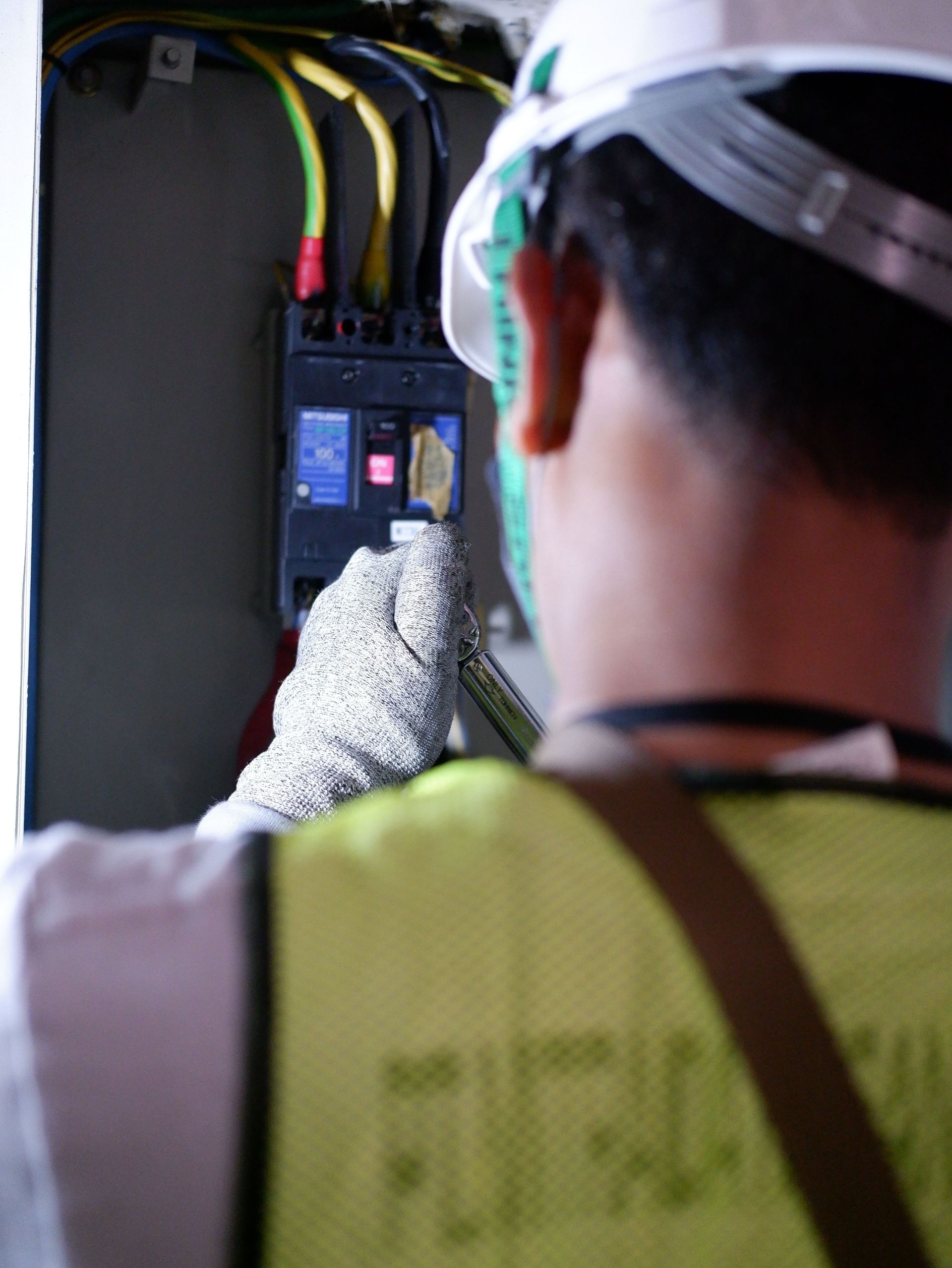
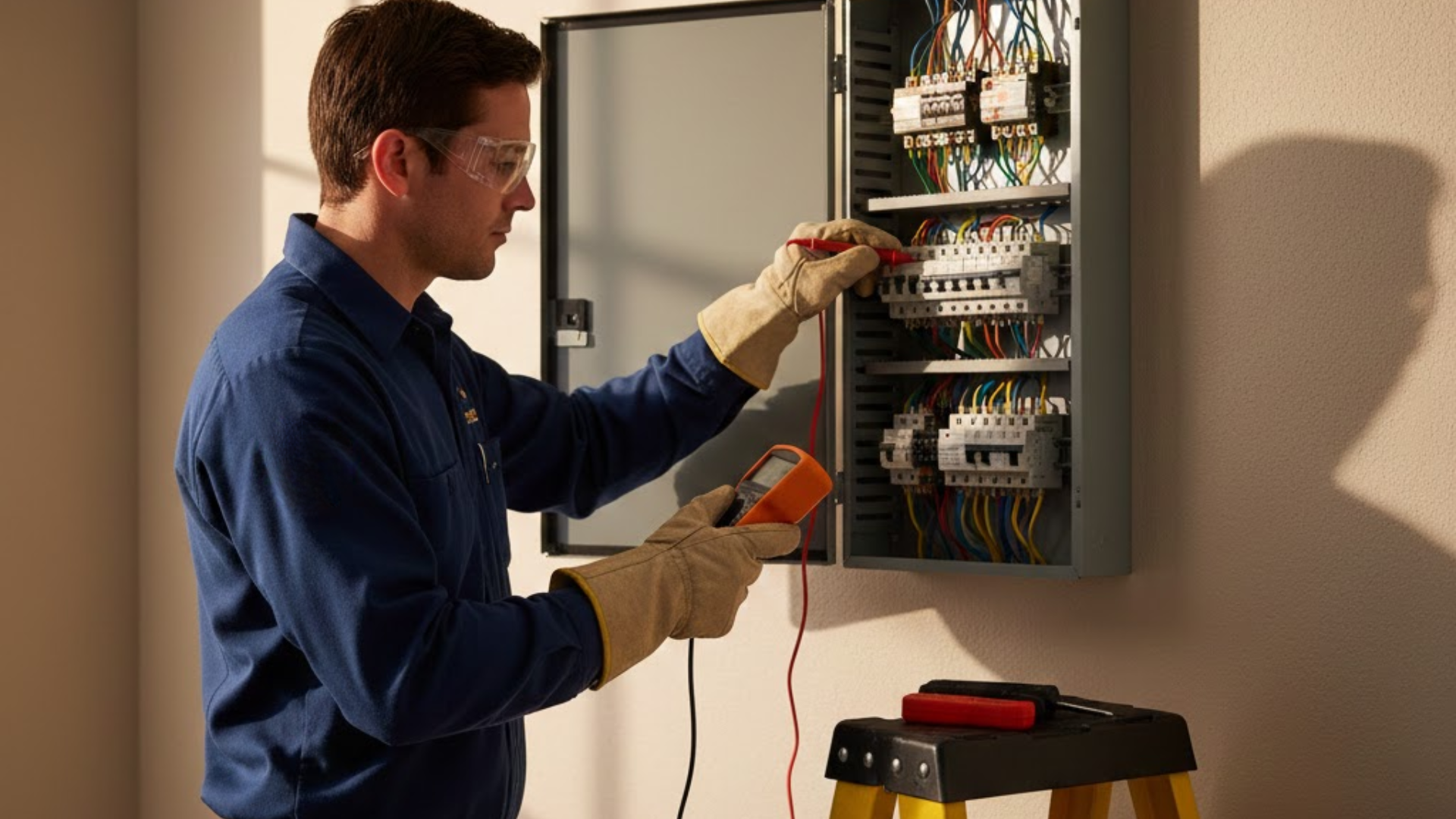
From our day-to-day experience at Oliver Electric, the biggest difference is where the work actually happens. Electricians work in the field. We are inside homes, in attics, behind walls, inside panels, and often working in extreme Phoenix heat to make sure systems function safely and correctly. Electrical engineers usually work in offices, focusing on design, calculations, and planning long before installation begins.
Electricians go through extensive hands-on training, apprenticeships, and licensing requirements. That training teaches how electrical systems behave in real conditions, how materials age, and how heat impacts wiring, breakers, and panels over time. For Phoenix Electricians, this local experience matters because Arizona temperatures place unique stress on electrical components.
Electrical engineers are highly educated professionals, but their role is different. They design systems for large buildings, infrastructure projects, or specialized applications. They are not typically diagnosing why a breaker keeps tripping in a residential panel or why outlets lose power intermittently.
For most homeowners searching for Phoenix Electricians, the real need is a licensed professional who can inspect, repair, upgrade, and verify safety on site. That is the electrician’s role.
What Is Better, An Electrical Engineer Or An Electrician?
This is one of the most common questions we hear, and the honest answer is that neither is better in every situation. The right choice depends entirely on the type of project you are dealing with.
If you are designing a large commercial building, a manufacturing facility, or a complex system that requires custom load calculations and schematics, an electrical engineer is essential. They ensure the system is designed correctly on paper before installation begins.
For homeowners, landlords, and small business owners, an electrician is almost always the better fit. Electricians handle service upgrades, panel replacements, lighting installations, EV chargers, safety inspections, and emergency repairs. Hiring an engineer for these tasks would add unnecessary cost without adding value.
Reputable Phoenix Electricians will tell you if a project truly requires an engineer. At Oliver Electric, we believe transparency builds trust. If engineering support is needed, we will explain why. If it is not, we will not recommend it.
Local Insight
We once worked with a homeowner in central Phoenix who had been quoted several thousand dollars by an electrical engineering firm just to evaluate a flickering power issue. The homeowner felt uneasy and decided to call us for a second opinion.
Within an hour, our licensed electrician traced the issue to a loose neutral connection in the panel. This is a common problem in older Phoenix homes, especially those exposed to decades of heat. The repair was straightforward, passed inspection, and cost a fraction of the original quote.
This situation highlights why understanding the difference matters. Many electrical issues feel complex, but for experienced Phoenix Electricians, they are routine problems with proven solutions.
What Is The Difference Between Electrical Engineer And Master Electrician?
A master electrician represents the highest level of hands-on electrical licensing. Master electricians have years of experience, advanced training, and the authority to pull permits, design certain systems, and supervise other electricians. In many residential and commercial projects, a master electrician can handle both planning and execution without the need for an engineer.
Electrical engineers, while highly educated, typically cannot legally perform electrical installations. They rely on electricians to execute designs safely and in compliance with code.
For projects like service upgrades, remodels, new circuits, or safety improvements, a master electrician is usually the professional you want. According to the National Fire Protection Association, improper installation and aging electrical systems remain leading causes of residential fires, which underscores the importance of qualified electricians.
Why Professional Training And Inspections Matter
Electrical work is not guesswork. Licensed electricians undergo extensive training to understand safety codes, local regulations, and inspection requirements. This training ensures work is completed correctly, safely, and legally.
Phoenix Electricians must account for heat exposure, load demands, and code updates that protect homeowners. Inspections are not obstacles. They are safeguards. Passing county inspections with flying colors means the work meets current standards and reduces long-term risk.
Unlicensed or poorly trained work can fail inspections, void insurance claims, and create hidden hazards. Professional electricians know how to do the job right the first time.
Why Hiring The Right Professional Saves You Money
Hiring the wrong professional often leads to duplicated costs, delays, or unsafe results. Engineers may design systems that are unnecessary for residential needs. Unlicensed contractors may cut corners that cost far more to correct later.
Licensed Phoenix Electricians understand permitting, materials, and practical solutions. At Oliver Electric, our goal is to solve the problem efficiently while protecting your home and budget. That approach saves money over time by preventing repeat failures and emergency repairs.
Conclusion
Electricians and electrical engineers both play important roles, but they are not interchangeable. For most residential needs, hiring experienced Phoenix Electricians is the safest and most cost-effective choice. Electricians work where design meets reality, ensuring systems perform safely under real-world conditions.
Understanding this difference empowers you as a homeowner. You will know who to call, what questions to ask, and how to move forward confidently when electrical issues arise.
If you are unsure which professional your project requires, we are happy to help. Contact us today at Oliver Electric for honest guidance, clear answers, and expert service from licensed Phoenix Electricians who put safety first. Reach out or call when you are ready. We are here to help you make the right decision with confidence.
Follow our social media pages below: