5 Signs Your Phoenix Home Needs an Electrical Panel Upgrade
May 3, 2026
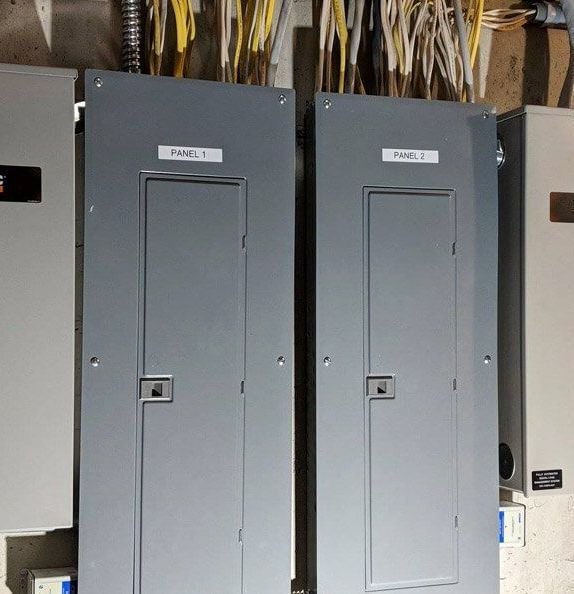
Commercial electrical panel upgrades just installed

Hey there, neighbor. Justin with Oliver Electric here Phoenix electrician since 2006. Over the years, I've crawled through a lot of attics and opened a lot of breaker boxes here in the Valley. One thing I see all the time? Homes with electrical panels that are too old to keep up with the way we live today.

Your panel is the heart of your home's power. If it can't handle the load, you get problems. Some are small, like a tripped breaker. Others are dangerous, like a wire that gets hot enough to start a fire. The good news is that the warning signs are easy to spot once you know what to look for.


A panel upgrade is also the perfect time to add whole-home surge protection. The device mounts right at the new panel, adds only a little time to the job, and shields every appliance downstream from monsoon lightning and grid spikes. Here's our full breakdown of whether you need a whole-house surge protector in Arizona.


Here are the top 5 signs I tell my customers to watch out for.


1. Your Breakers Trip Over and Over

A breaker is supposed to trip once in a while. It's a safety feature that shuts off power before things get too hot. But if you are flipping the same breaker back on every week, that is a red flag.

It usually means your panel can't handle the power your home is asking for. This is super common in Phoenix because we run our A/C hard for half the year. Add in a hair dryer, a microwave, and a TV all on the same circuit, and the panel waves the white flag.

If this is happening to you, don't keep flipping the switch. Get it checked out. Our team offers expert electrical panel and circuit upgrade services that fix the root of the problem instead of just the symptom.


A tripping breaker does not always mean your panel is done for. Sometimes the cause is one overloaded circuit or a single worn-out breaker, and the fix is quick and cheap. Before you decide anything, it helps to know what the trips are actually telling you. I break down the causes, the warning signs, and what you can safely check yourself in my guide to why your circuit breakers keep tripping.


2. Your Lights Flicker or Dim When You Use Big Appliances

Have you ever noticed your lights blink when the A/C kicks on? Or maybe they get dim when the microwave runs? That is your panel telling you it's tired.

When a big appliance starts up, it pulls a lot of power for a second. A healthy panel handles that with no problem. An old or weak panel can't, so the lights flicker.

This is more than just annoying. Flickering lights can also mean a loose wire somewhere, which is a fire risk. If you see this in your home, it's time for a closer look from a pro.


3. Your Panel Feels Warm or Smells Funny

Walk over to your panel and put your hand near it. Does it feel warm? Is there a smell like burning plastic or a sharp electrical smell? Stop right there.

A panel should never feel hot. A weird smell means something inside is overheating or melting. This is one of the most common ways electrical fires get started in older Phoenix homes.

If you ever notice this, shut off the main breaker if you can do it safely, then call us right away. We offer fast licensed electrical repair and troubleshooting services across the Phoenix area, and we don't mess around when safety is on the line.


4. Your Home Still Has a Fuse Box (or a Panel from the 80s)

Some of the older homes in Buckeye, Glendale, and Sun City still have fuse boxes. Others have panel brands that the industry has flagged as unsafe, like Federal Pacific or Zinsco. If that sounds like your home, please don't wait.

Modern homes need at least 200 amps of power. Older panels were built for 60 or 100 amps, back when families had one TV and no smart fridge. Today, we have laptops, gaming systems, EV chargers, smart thermostats, and pool pumps. Your panel needs to keep up.

Not sure how old your panel is or how many amps it has? A licensed electrician can tell you in about 10 minutes. We offer full home electrical inspection and code compliance checks so you know exactly what you are working with.


5. You Are Adding Something Big to Your Home

Planning to put in a new EV charger? Adding a hot tub? Building a pool with a pump and a heater? Doing a kitchen remodel? Each one of those projects asks a lot from your panel.

Most of the time, an older panel just can't handle the new load on top of what you already use. The smart move is to upgrade the panel before you start the project. That way, your new EV charger or pool works the day it's installed, and you don't end up paying twice.

Older homes have a lot of these surprises waiting. If you want to learn more about what to look out for, I wrote another guide called Top Electrical Issues In Older Homes (And How To Fix Them) that walks through the most common stuff we see.


How Much Does an Electrical Panel Upgrade Cost in Phoenix?

People always ask me about price first. The honest answer is: it depends on your home. Most panel upgrades in the Valley fall between $1,500 and $4,000. The size of the panel, how old your wiring is, and what kind of permits your city requires all play a part.

I always give an honest, written quote before any work starts. No surprises. No upsells. Just the facts so you can make a smart choice for your family.


If you recognized your home in any of these five signs, the natural next question is what the fix costs. The answer depends on panel size, your old panel's brand, permits, and how the Arizona sun has treated the wiring — we broke down real West Valley numbers in our guide to how much it costs to replace an electrical panel in Arizona.


When Should You Call a Phoenix Electrician?

If you spotted even one of the signs above in your home, please don't wait. Electrical problems get worse, never better. The longer you wait, the higher the risk and the bigger the repair bill.

At Oliver Electric, we are licensed, bonded, and insured (ROC# 229347). We have been serving Phoenix, Buckeye, Glendale, Surprise, Goodyear, and the rest of the Valley for almost 20 years. Whether you need a quick check or a full panel upgrade, we treat your home like it's our own.

Want to see what other homeowners say about us? Check out our Oliver Electric Google Business Profile and reviews to read real stories from your Phoenix neighbors.

Ready to get started? Give us a call at 623-387-9171 or reach out through our website. I'd be happy to come take a look and give you straight answers about your panel.


How to know if you have an emergency electrical issue.
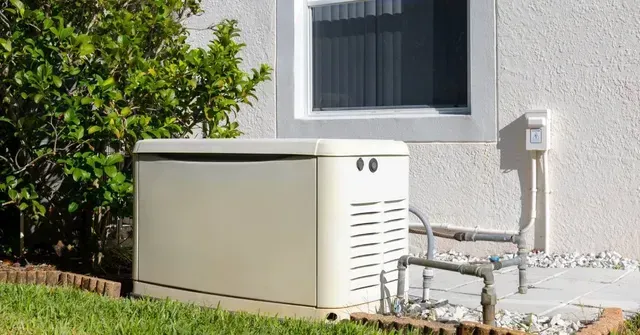
Outdoor beige generator beside a house wall with pipes and vents on a grassy lawn
August 21, 2026
Most Valley homes need 14-18kW standby, 22-26kW with two AC units. Honest generator sizing from Oliver Electric. Call 623-387-9171.
White wall outlet on a beige wall above gray wood flooring, near the baseboard
August 17, 2026
Outlets feel warm to the touch? It's usually an overloaded circuit or a loose wire heating up. A Buckeye electrician explains. Call 623-387-9171.
Modern kitchen and dining area with pendant lights, dark cabinets, and a white door in the background
August 10, 2026
Flickering lights can be a $6 bulb or a loose neutral that starts fires. A West Valley electrician explains how to tell. Oliver Electric: 623-387-9171.
Two open electrical breaker panels with exposed wiring in a wall recess
August 1, 2026
Most Arizona electrical panel replacements run $1,800-$4,500. A Buckeye electrician explains what moves the price. Call Oliver Electric: 623-387-9171.
Aluminum wiring being replaced on a light switch
July 27, 2026
Is aluminum wiring dangerous? A Buckeye electrician explains the risks in 1960s-70s West Valley homes and the fixes that work. Call 623-387-9171.
July 24, 2026
Rewiring a house in Arizona usually runs $6,000 to $15,000. A Buckeye electrician explains what moves the price. Call Oliver Electric at 623-387-9171.
whole home surge protection in place with backup generator
July 17, 2026
Yes — Arizona monsoon lightning and grid surges fry electronics. A Buckeye electrician explains whole-house surge protection. Call 623-387-9171.
Commercial Breaker Panel
July 10, 2026
Circuit breakers keep tripping in your Buckeye or West Valley home? A local electrician explains the causes and fixes. Call Oliver Electric at 623-387-9171.
electrical plug logo
By Joe Merino June 25, 2026
One of the worst calls I've responded to was a panel hot to the touch and smelling like burning plastic — the homeowner had been resetting the tripping breaker for three days, thinking that was the fix. By the time I arrived, there was heat damage inside the panel. They were minutes away from a house fire. That single mistake — keep resetting instead of calling — is more common than most people realize, and it's exactly the kind of situation emergency electrical services exist to stop before it becomes a disaster. Warning Signs You Need Emergency Electrical Services Right Now Most homeowners miss the small signs because they seem normal — until they aren't. Here are nine warning signs that represent active danger inside your walls and panels: Lights flickering often Outlets or switches warm to the touch Buzzing, crackling, or sizzling sounds Brown or black marks around outlets An outlet that stops working and comes back on its own A small shock when touching a switch or appliance Breakers tripping more than once A burning plastic smell Power going in and out in one room Each of these signals something wrong you cannot see without proper testing. Heat, arcing, and failing connections happen inside walls and panels — and they don't announce themselves loudly until something goes seriously wrong. If you live in a hot climate, pay extra attention. Garages, attics, and outdoor electrical panels take a beating in summer heat, which accelerates wear on connections and makes weak spots fail faster. If something smells hot, sounds wrong, or keeps repeating, don't ignore it. The U.S. Fire Administration reports that electrical fires cause over 24,000 home fires annually — most of them preventable. Warm outlets deserve a closer look than most people give them, because not every warm plate is an emergency, and knowing the difference can save you a panicked midnight call, or push you to make one when it truly matters. A dimmer that runs a little warm is normal. An outlet that is hot, buzzing, or warm with nothing plugged in is not. I break down the causes, my warm-versus-hot rule of thumb, and typical repair costs in my guide on why your outlets feel warm to the touch Emergency or Can It Wait? How to Make the Right Call I look at risk first. Here is the decision framework I give every caller. Call immediately if you have any of these: Heat or smoke from an outlet, panel, or appliance Sparks or visible arcing A burning smell near any electrical component Buzzing coming from the panel Breakers that keep tripping Water near electrical components Loss of power to critical equipment It may be able to wait if: A single outlet stopped working with no heat, smell, or buzzing The issue is purely inconvenient and nothing feels or smells wrong The simple rule I tell people: if the issue can cause fire, shock, or equipment damage, call now. If it's just an inconvenience and everything is safe, schedule normal service. When in doubt, call and describe what's happening. A good electrician can help you decide whether it needs immediate attention — and that call costs you nothing. The Mistake That Turns a Small Problem Into a Dangerous One I had a call where a homeowner lost power to part of the house. Instead of calling, they bought a breaker at the hardware store and swapped it themselves. The problem wasn't the breaker. The real problem was a loose connection creating heat on that circuit. When they installed the new breaker, it kept feeding power straight to that bad connection. By the time I opened the panel and traced it, part of the wire insulation was damaged. What could have been a smaller repair turned into a much bigger job. DIY electrical work gets dangerous fast during emergencies because you can only see the symptom — not the cause. Fixing the wrong thing can keep power flowing to a failing connection, which is worse than the original problem. Tripping breakers, power loss, buzzing outlets, and burning smells are diagnostic signals that require someone trained to test the full system. The National Electrical Code exists specifically because electrical failures follow predictable patterns — patterns a licensed electrician is trained to read. Why Waiting Usually Costs More Than Calling Now The biggest misconception about emergency electrical services is that calling immediately is the most expensive option. Waiting is usually what drives the cost up. If I get there early, I can often catch a loose connection, overloaded circuit, or failing breaker before it damages more of the system. If you wait until there's smoke, melted wiring, or half the house has no power, the repair scope is significantly larger. I've seen neglected panels with loose breakers, corrosion, and heat damage — and the owner almost always says the same thing: "It had been acting up for a while." Flickering lights and tripping breakers were there weeks before the full failure. For commercial properties , the math is worse. A panel failure that shuts down a restaurant or warehouse means the repair bill is only part of the damage — lost business hours can hurt far more than the electrical invoice. How to Get a Faster Response When You Call Specific details are the single fastest way to get better service. Don't just say "my power is out." Instead, say: "My breaker keeps tripping." "I smell burning near the panel." "The outlet is hot." "Only half the house has power." "I saw a spark." "My business has no power to the front counter." Specific language helps me assess severity, prioritize your call correctly, and arrive with the right parts and tools the first time. If I ask for photos, send them. A picture of the panel, burned outlet, or damaged area can save significant diagnostic time on arrival and cut your wait in half. Emergency Electrical Services for Homes and Businesses Homeowners usually call when something feels dangerous — a burning smell, sparks, a breaker that won't stay on. Commercial clients typically call when the problem stops operations: lights out in a store, no power to equipment, a panel issue affecting the floor. For both, the best thing you can do right now is keep your panel area clear, label every breaker, and treat recurring warning signs as action items. Electrical problems don't fix themselves. Don't Wait Until It's a Bigger Problem If you recognized any warning signs here — flickering lights, warm outlets, burning smells, repeated breaker trips — that's your home or business telling you something is wrong. Call a licensed electrician now. Describe exactly what you're seeing. The call is free, the information helps, and getting ahead of an electrical problem is always cheaper than dealing with the aftermath. Emergency electrical services are available 24/7 for a reason — use them before a small issue becomes a dangerous one. Oliver Electric LLC https://www.oliverelectricaz.com/ 623-387-9171
Electrical Emergency Phoenix Safety Guide
May 18, 2026
Learn what to do if you smell burning, see sparks, lose power, or face an urgent electrical issue in your Phoenix home.