Is Aluminum Wiring in My House Dangerous?

Yes, aluminum wiring can be dangerous. Homes with aluminum branch wiring installed between 1965 and 1973 are far more likely to develop fire-hazard conditions at outlets and switches than homes wired with copper. The good news? It does not automatically mean you need a full rewire. I'm Johnny Oliver, and my family at Oliver Electric has been giving West Valley homeowners straight answers about wiring like this since 2006.
Why Is Aluminum Wiring Dangerous in the First Place?
In the late 1960s, copper prices shot up, so builders switched to aluminum for branch circuits, the smaller wires that feed your outlets, switches, and lights. Aluminum carries electricity just fine. The problem is what it does at connections. Aluminum expands and contracts more than copper every time it heats up and cools down, so screw terminals slowly work themselves loose. It also oxidizes, and that oxide layer resists current and creates heat. Loose plus hot is how house fires start.
The U.S. Consumer Product Safety Commission found that homes with pre-1972 aluminum branch wiring are roughly 55 times more likely to have connections reach fire-hazard conditions than copper-wired homes. Arizona heat makes it worse. When an attic hits 150 degrees every summer for fifty years, that expand-and-contract cycle gets a lot of extra workouts.
How to Tell If Your House Has Aluminum Wiring
You don't need to open a wall to get a good idea. Look for these signs:
• Your home (or an addition) was built between 1965 and 1973. In the West Valley, that covers a lot of homes in older Buckeye neighborhoods, downtown Glendale, and the early sections of Sun City.
• The letters "AL," "ALUM," or "ALUMINUM" printed on cable jackets you can see in the panel, attic, or garage.
• Outlet or switch covers that feel warm to the touch.
• Lights that flicker when nothing big is running.
• A faint hot-plastic smell near outlets, or wall plates with brown discoloration.
Any one of these is worth a professional look. Two or more together means call sooner rather than later. If your place has other age-related problems too, my earlier post on the top electrical issues in older homes covers what usually shows up alongside aluminum wiring.
A 1971 Glendale Kitchen That Still Sticks With Me
A few years back, a couple in an older Glendale neighborhood called us. Their complaint sounded small: the outlet cover behind the toaster felt warm, and the kitchen lights flickered in the evening. When I pulled that receptacle, the aluminum wire under the screw had oxidized white, and the screw had backed off maybe a quarter turn. That's all it takes. The connection had been arcing, and the back of the box was already scorched black.
Nothing had caught fire yet, but "yet" is the important word in that sentence. Over two days we repaired every connection in the house. They didn't need new wiring. They needed their connections done right. That job is why I take warm outlet covers seriously.
When Aluminum Wiring Does NOT Mean a Full Rewire
Here's the honest part some companies skip, because a rewire is a bigger ticket. The aluminum wire sitting inside your walls is usually fine. The danger lives at the connections: outlets, switches, fixtures, and junction boxes. There are two repair methods recognized by the CPSC that fix the hazard without tearing your house apart:
• COPALUM crimping, where a special tool cold-welds a short copper "pigtail" onto each aluminum wire.
• AlumiConn connectors, a lug-style connector that does a similar job and is what we use most often.
Either way, every device ends up connected to copper instead of aluminum, and a whole-house pigtail repair typically costs a fraction of a rewire. Now, sometimes a full rewire really is the smarter money: if the insulation is brittle, if you're opening walls for a remodel anyway, or if the house also needs major panel and circuit work. We'll tell you which situation you're in and why. Since 2006, our rule has been simple: fix it for the long term and never sell work a home doesn't need.
What an Aluminum Wiring Inspection Covers
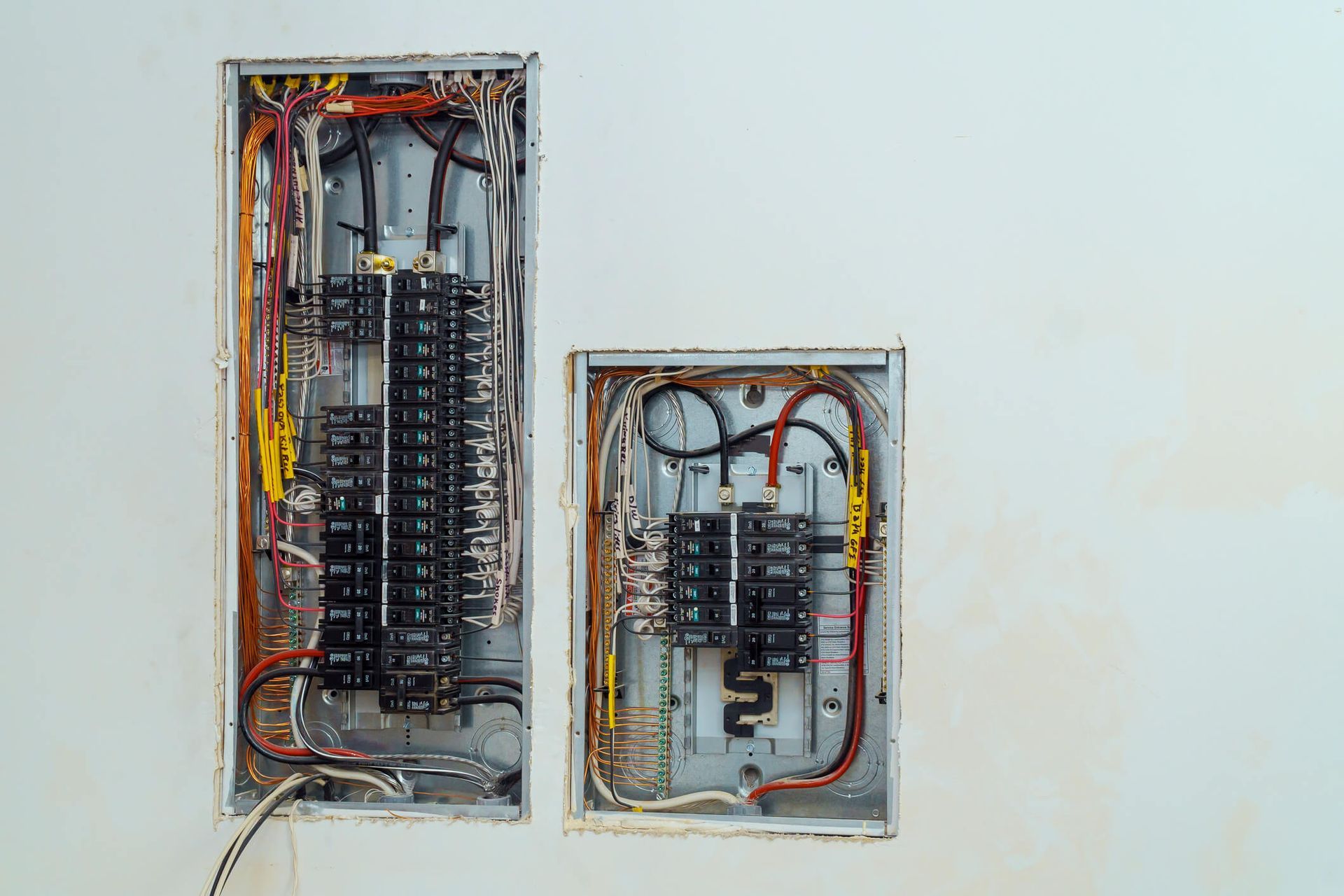
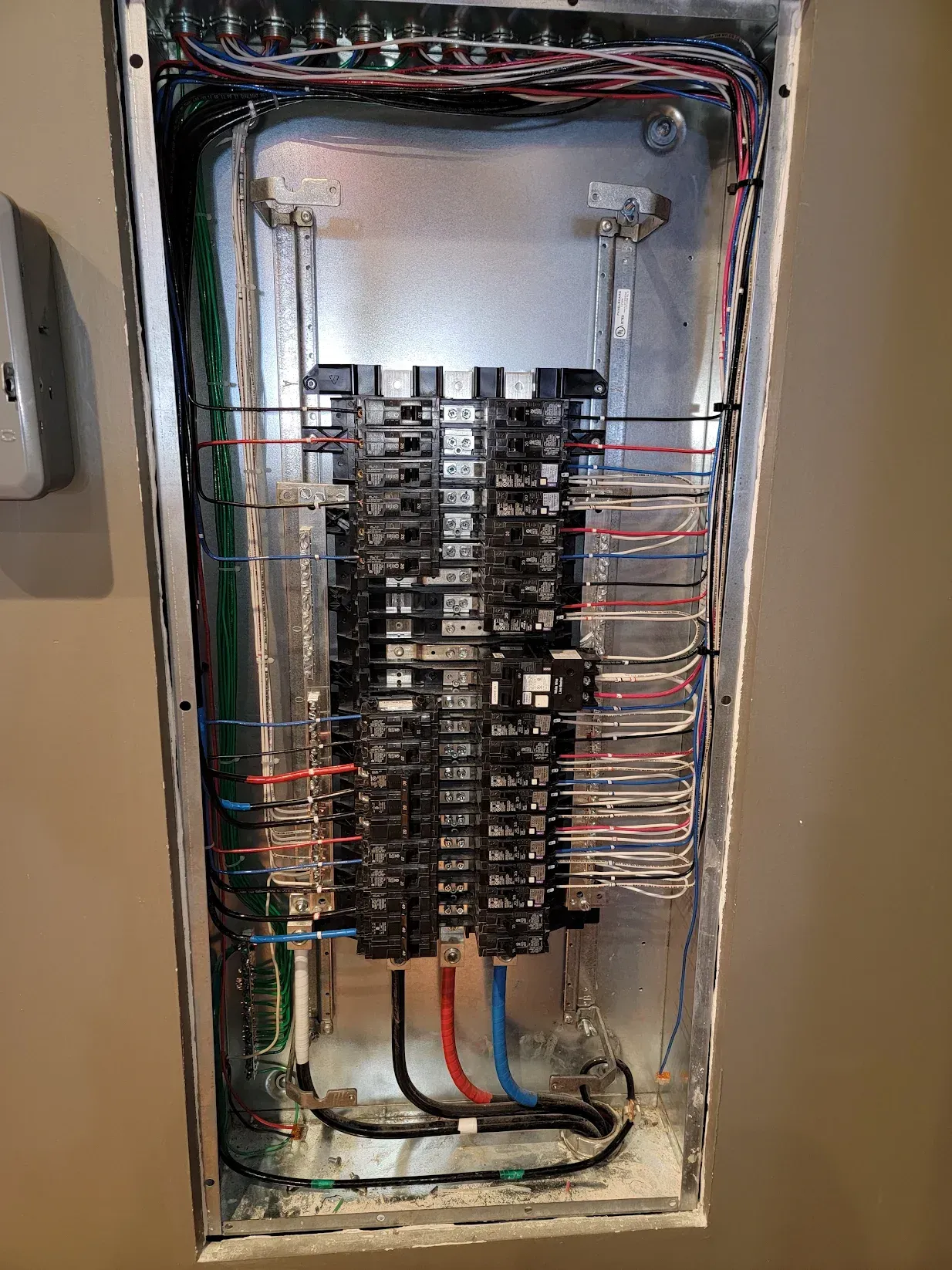
When we do an electrical inspection on a suspected aluminum-wired home, we open the panel, check outlets and switches in every room, look for the AL markings, test for heat and loose terminations, and check whether past repairs used devices rated for aluminum (marked CO/ALR) or standard copper-only parts. That copper-only shortcut is one of the riskiest things we find in flipped West Valley homes. You get a straight answer: what's aluminum, what's at risk, and what it will take to make it safe.
Get a Straight Answer About Your Wiring
If your home went up in the late '60s or early '70s and you're wondering whether your aluminum wiring is dangerous, don't lose sleep over it. Just get eyes on it. Oliver Electric is family-owned, licensed and insured (ROC #229347), and my sons Justin and John work these jobs with me. Call 623-387-9171 to schedule an electrical safety inspection, and if you ever see sparks, smell burning, or find a hot outlet, we answer emergency calls 24/7.
Aluminum Wiring FAQ
Is aluminum wiring illegal in Arizona?
No. It's legal, and no code forces you to remove it. But any repairs or additions must use aluminum-rated methods and devices, and many insurers will ask about it.
How much does it cost to fix aluminum wiring?
A whole-house pigtail repair with AlumiConn connectors usually runs a small fraction of a full rewire. The price depends mostly on how many outlets, switches, and fixtures your home has. We quote it up front after an inspection.
Will homeowners insurance cover a house with aluminum wiring?
Most Arizona insurers will cover it, but some charge more or require proof of professional repairs. A documented inspection and pigtail repair from a licensed electrician is usually what they want to see.