Can You Add Recessed Lighting to an Existing Ceiling?
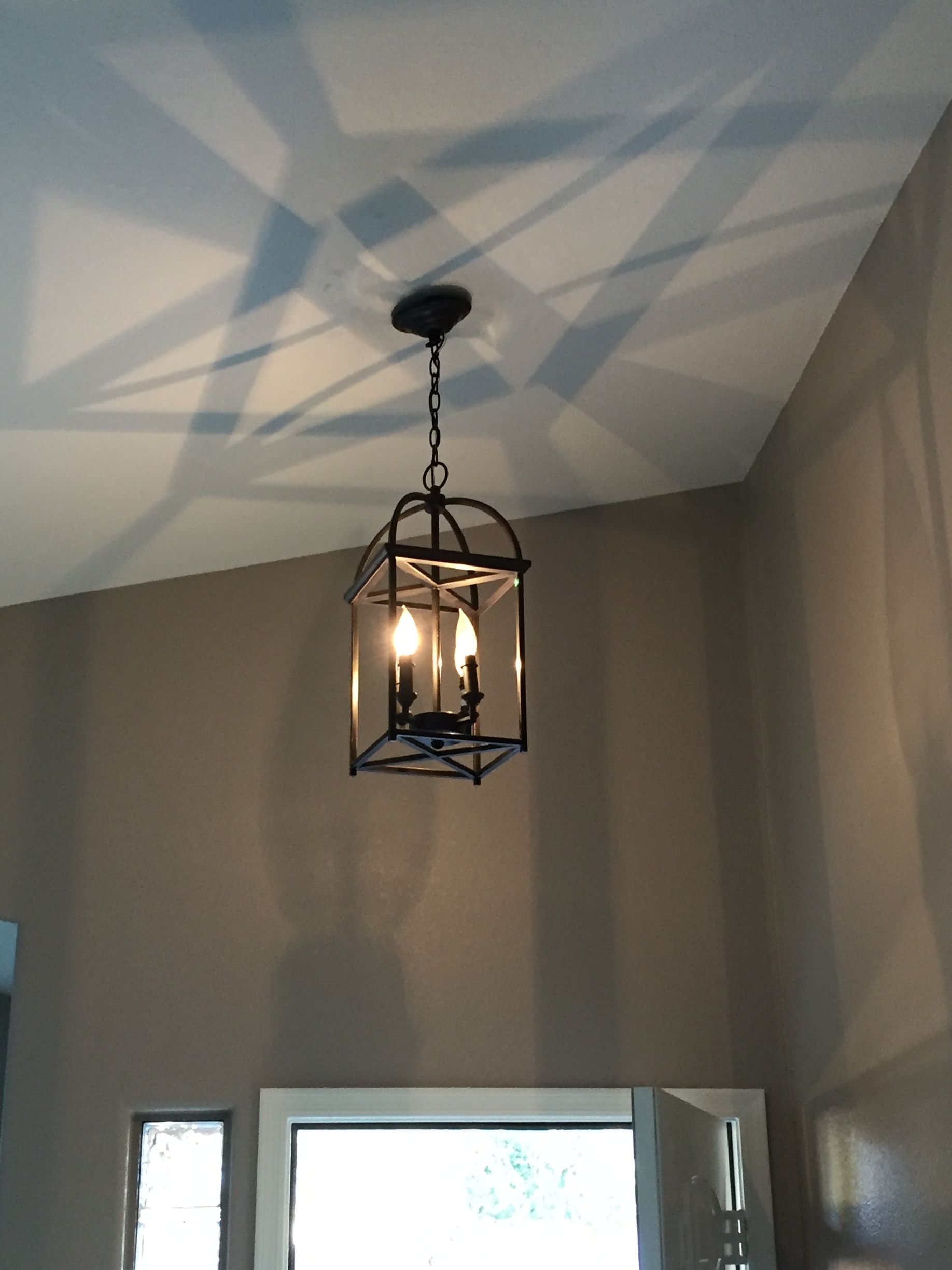
Yes, you can add recessed lighting to an existing ceiling in almost any Arizona home, and in most cases it is done without opening up the drywall. Remodel-style housings and the newer ultra-thin LED wafer lights are built for exactly this job. The real questions are what is above the ceiling, how the circuit will be fed, and whether the fixtures are rated for the insulation they will sit in.
How recessed lighting goes into a finished ceiling
A remodel housing clips to the drywall from below, so we cut a round hole, fish the cable to it, and lock it in place. Thin LED wafer lights go further. They are about half an inch thick, mount with spring clips, and put their driver box above the ceiling, so they fit under ductwork where an old-style can never would. For most single-story Buckeye and West Valley homes, we run new lights from the attic and never touch the ceiling except for the holes the lights sit in. Rooms with a floor above them are harder. We fish cable along the joists and may need one or two small access cuts that get patched.
Insulation is the part people forget
Phoenix attics are packed with blown-in insulation, which is good for your cooling bill. It also means every recessed fixture has to be IC-rated, so it can be covered by insulation without overheating. Older non-IC cans had to be kept clear of insulation, and that gap became a chimney for cooled air leaking into the attic. Modern IC-rated, airtight housings seal that leak. When I pull an old can out of a 1990s home, the insulation is often pushed back a foot in every direction. Replacing those with sealed LED fixtures is one of the few lighting jobs that pays you back in summer.
Where the power comes from
Most of the time we tie into the existing switch leg for the room, so the new recessed lights come on with the same switch and the old center fixture goes away or stays as an accent. Six to eight LED wafer lights draw less power than the single incandescent fixture they replace, so overloading the circuit is rarely the problem. The bigger issue is old wiring. Aluminum branch circuits, cloth-covered cable, or boxes stuffed past capacity need fixing first, and that is where our electrical repair work in Buckeye comes in. We would rather tell you up front than hide a problem behind a pretty ceiling. If you want dimming, scenes, or a separate switch for the new lights, we add a neutral and a new switch location as part of the installation.
A Verrado kitchen we lit last spring
A family in Verrado had one fluorescent box light in a kitchen the size of a two-car garage. They wanted it bright but not harsh. We laid out eight four-inch wafer lights in two rows, two feet off the cabinets so the counters were lit instead of the tops of their heads, all fed from the attic on a dimmer. It took one day, and the only drywall work was the patch where the old fixture had been. They said the kitchen felt twice as big. That is the layout doing the work, not the number of lights.
When recessed lighting is the wrong answer
Here is the honest part. Recessed lighting is not right for every room. In a bedroom, a grid of downlights can feel like an office. Under a vaulted ceiling, the beams land in the wrong place and the cans are hard to reach forever. If the ceiling has spray foam or a flat roof with no attic at all, the labor can outweigh the benefit, and surface-mounted LED fixtures or a ceiling fan with a light kit may do more for less. Our post on replacing a light fixture with a ceiling fan walks through that option.
Permits, dimmers and the details
• Adding fixtures to an existing circuit in Buckeye generally calls for an electrical permit, and we pull it as part of the job.
• Match the dimmer to the LED. Many flickering recessed lights are just an old incandescent dimmer on a new LED fixture.
• Choose the color temperature once, for the whole house. Mixing 2700K and 4000K in one room looks like a mistake.
• Four-inch lights for kitchens and halls, six-inch for great rooms with tall ceilings.
Ready to light it right?
My dad started Oliver Electric in 2006, and my brother and I still run it the same way: no upsell, fix it right the first time. We are family-owned, licensed ROC #229347, and available 24/7 for emergencies across Buckeye and the West Valley. Our lighting installation and repair team can lay out your recessed lighting, pull the permit and finish in a day on most single-story homes. Call 623-387-9171.
Frequently asked questions
Can recessed lights go in without attic access?
Yes. We fish cable between joists from the fixture holes and, if needed, one small access cut. Thin LED wafer lights make this much easier than old can housings.
How many recessed lights does a room need?
A common starting point is one four-inch LED light for every 25 to 40 square feet in a kitchen, and fewer in living areas. Spacing them evenly and keeping them off the walls matters more than the count.
Do recessed lights leak cooled air into the attic?
Old non-IC cans do. Modern IC-rated, airtight LED fixtures are sealed and can be buried in insulation, which is why swapping old cans for new ones helps in a Phoenix summer.
So yes, you can add recessed lighting to an existing ceiling in Arizona. Plan the layout, use IC-rated fixtures, match the dimmer, and let a licensed electrician handle the attic and the permit.
Contact Oliver Electric in Buckeye, AZ
Oliver Electric LLC
18927 W Latham St
Buckeye, AZ 85326
Phone: 623-387-9171
Stay connected with Oliver Electric for electrical tips, project updates, and helpful information for homeowners and businesses.
Follow Oliver Electric Online:
Facebook| X| Instagram| YouTube
Worked with Oliver Electric?