Do I Need a Dedicated Circuit for My Appliance?
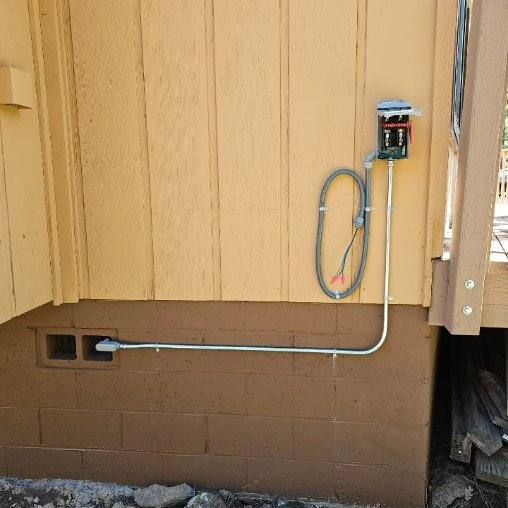
If the appliance has a motor or a heating element and it runs for more than a few minutes at a time, it almost certainly needs a dedicated circuit. That includes your refrigerator, microwave, dishwasher, garbage disposal, electric range, dryer, water heater, air handler, EV charger and any window or mini-split AC unit. A dedicated circuit is one breaker, one wire run and one appliance, with nothing else sharing it.
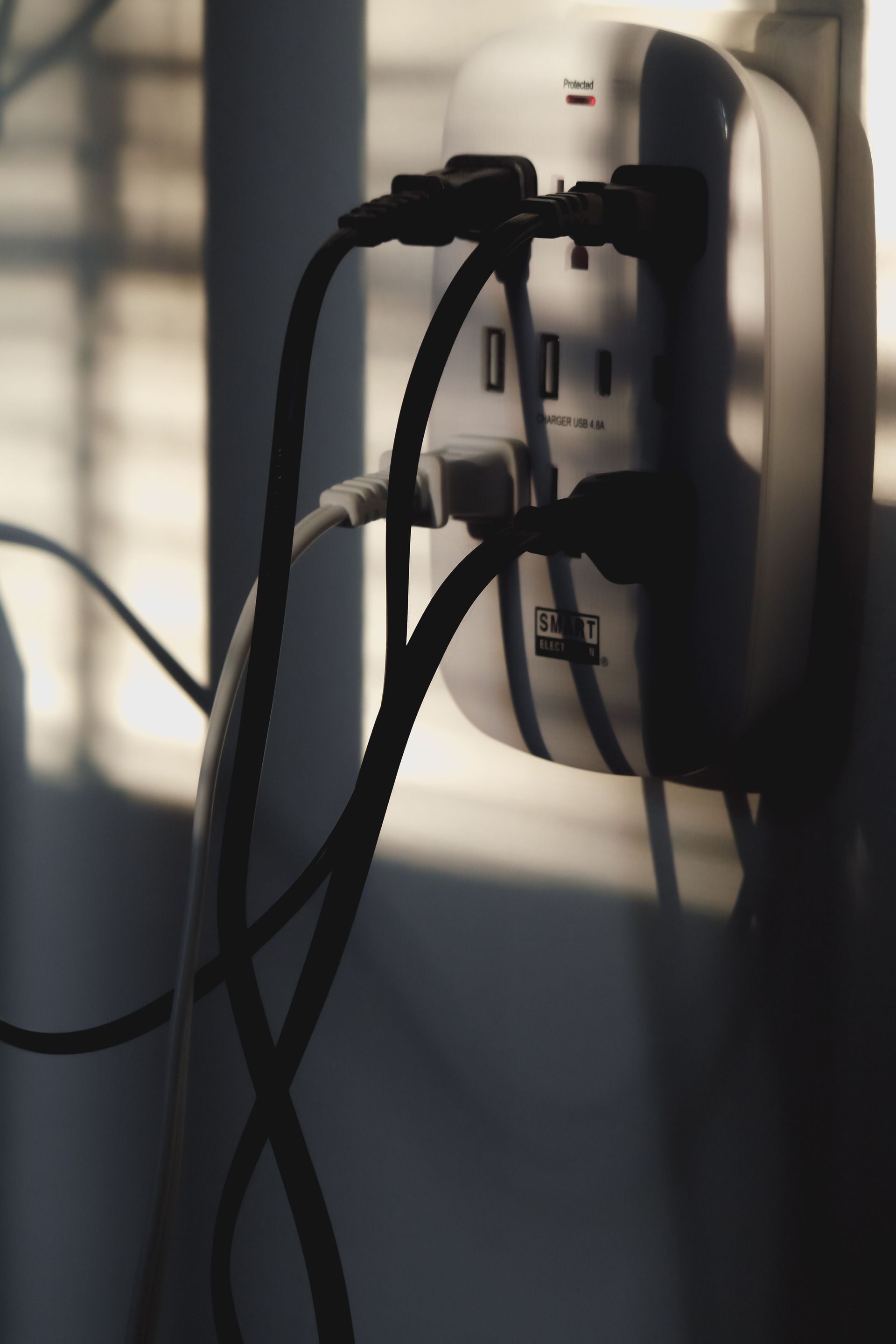
This is a cousin of the question we answered in our post on how many outlets can be on one circuit. That post is about general-purpose outlets. This one is about the big appliances that are not allowed to share.
What a Dedicated Circuit Actually Is
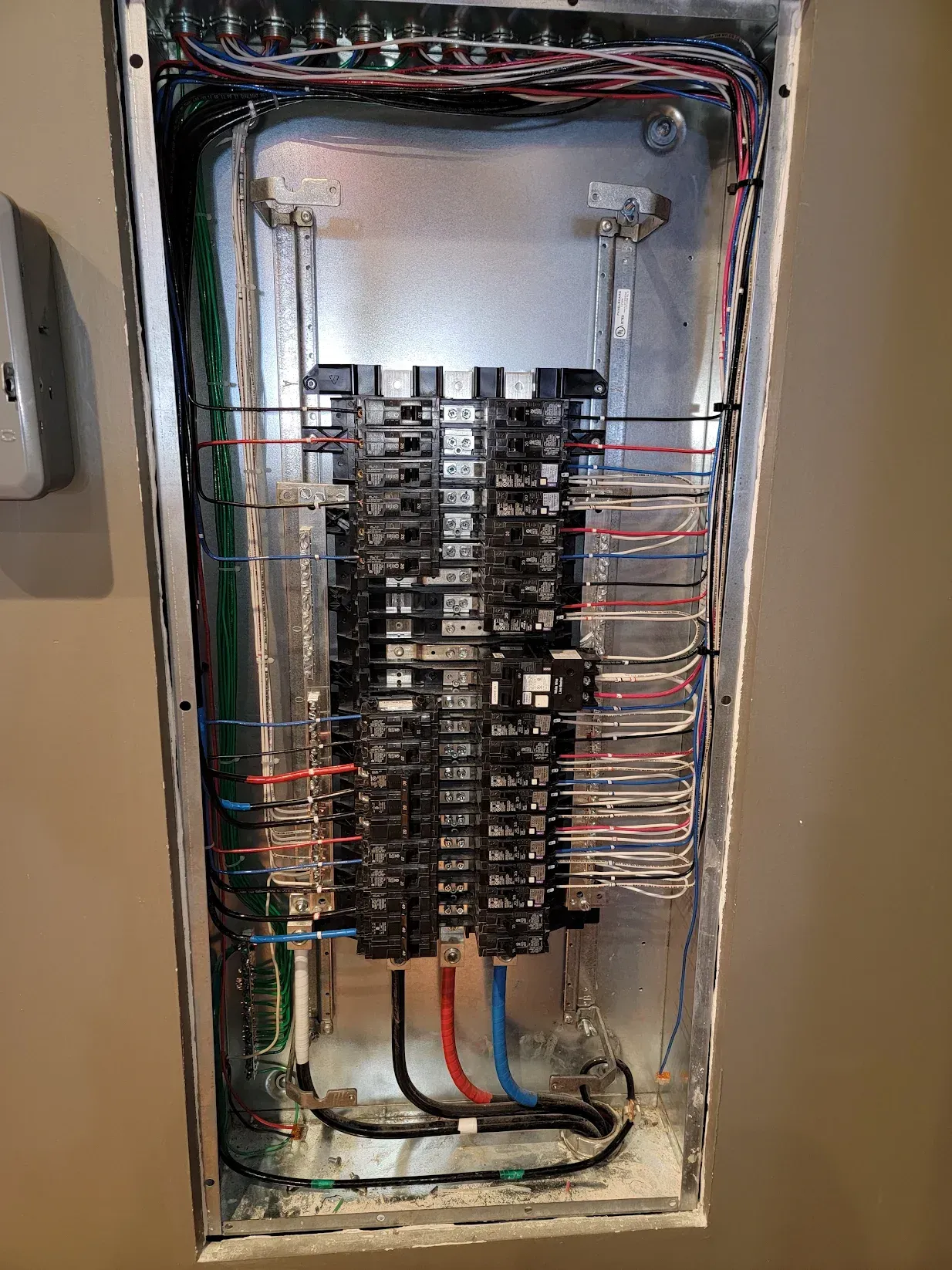
A dedicated circuit serves a single appliance or a single piece of equipment. It has its own breaker in the panel and its own cable running to the appliance. Nothing else in the house is on it. The point is simple: a big appliance pulls a lot of current, especially when a motor starts, and if that current is shared with lights and outlets, the breaker trips or the wire runs hot. The National Electrical Code, which Buckeye, Goodyear and most West Valley cities adopt, spells out which loads must be dedicated. Kitchens alone require two 20-amp small-appliance circuits plus separate circuits for the fridge, dishwasher, disposal, microwave and range in most layouts.
Appliances That Need Their Own Circuit
Here is the list we work from on every job:
• Electric range, oven or cooktop (usually 40 or 50 amps, 240 volts)
• Electric clothes dryer (30 amps, 240 volts)
• Electric water heater (30 amps, 240 volts)
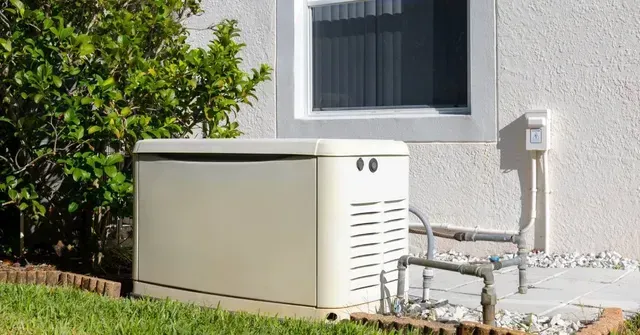
• Central air handler and outdoor condenser (each on its own)
• Refrigerator and freezer (20 amps, 120 volts)
• Dishwasher, garbage disposal and over-the-range microwave (each on its own in most jurisdictions)
• Washing machine (20 amps, 120 volts)
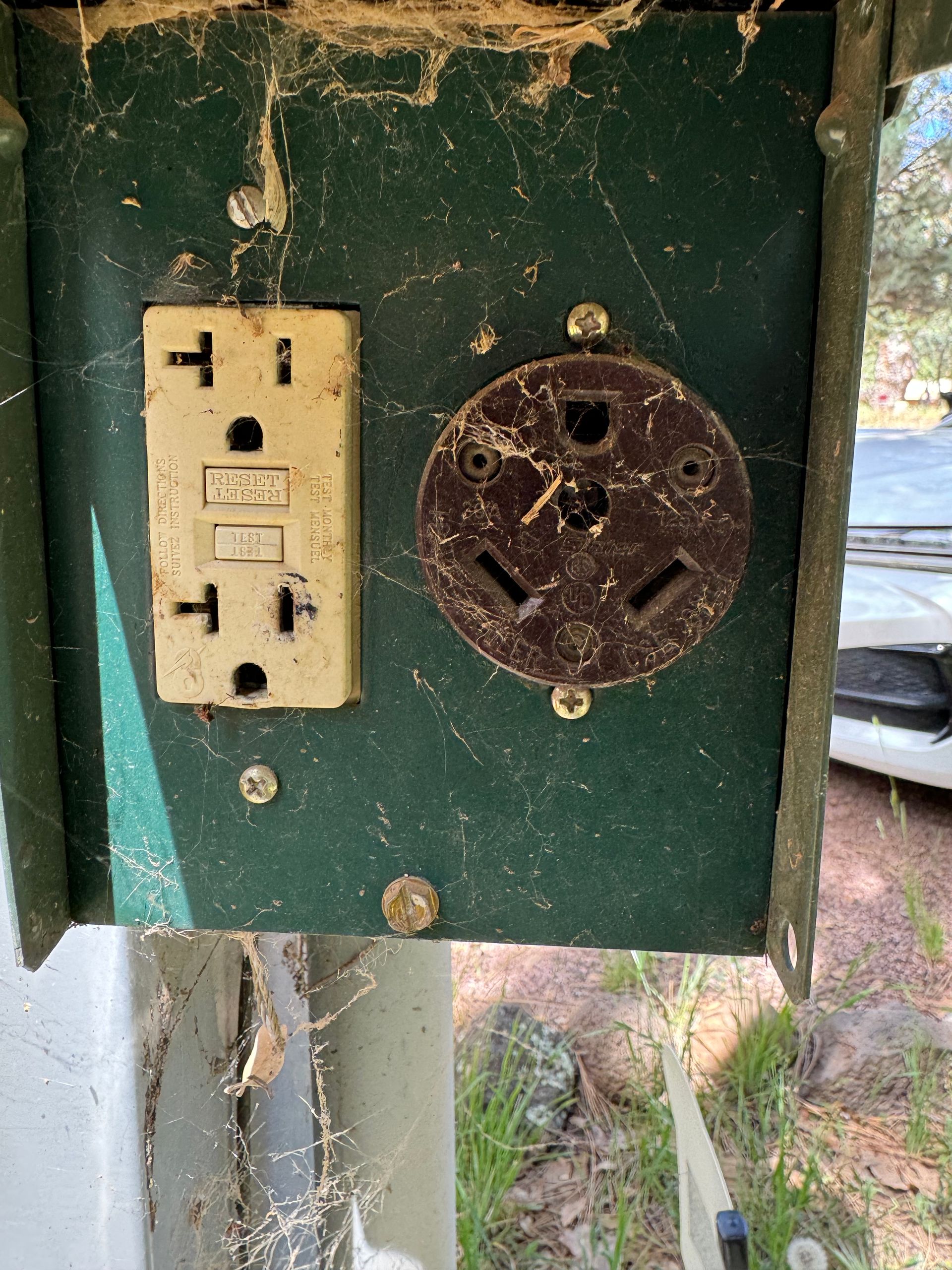
• EV charger (typically 40 to 60 amps, 240 volts)
• Well pump, pool pump, spa and hot tub
• Space heaters, sauna heaters and any wall-mounted heater
• Bathroom outlets (their own 20-amp circuit, but they may serve more than one bathroom)
In older Buckeye and Avondale homes built before the 1990s, it is common to find the fridge, microwave and half the kitchen counter on one 15-amp breaker. It worked when the microwave was small. It does not work now.
How to Tell If Your Appliance Is Sharing a Circuit
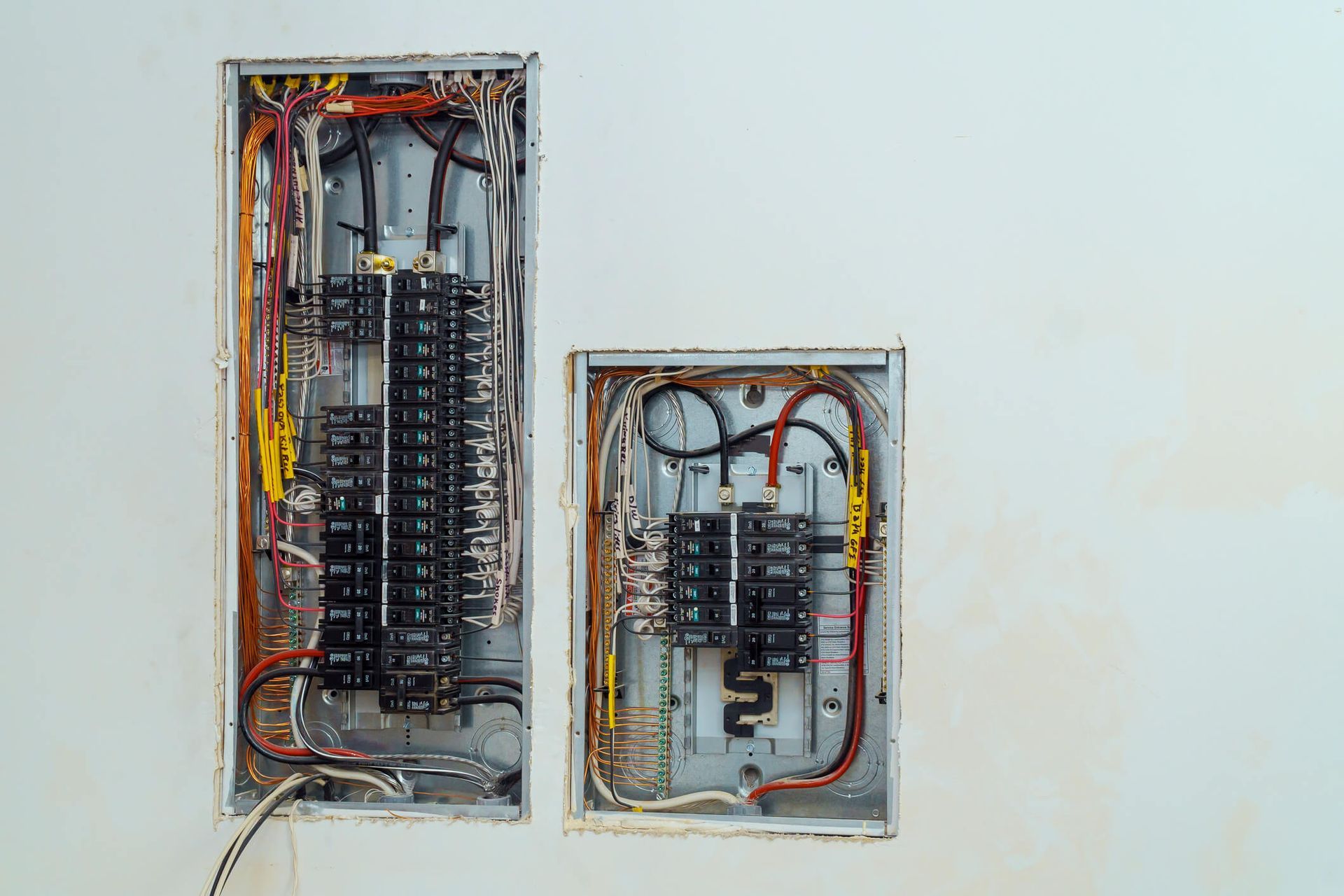
Go to the panel and turn off the breaker labeled for that appliance. Now walk the house. If the kitchen lights or a bedroom outlet also went dead, that breaker is shared. If the panel is not labeled, plug a radio into nearby outlets and flip breakers until it goes quiet. The other giveaway is behavior: if the breaker trips when the microwave and the toaster run together, or the lights dim every time the fridge compressor kicks on, you are sharing a circuit that should be dedicated.
A Job We Ran in Buckeye
A family in Verrado called us because their new dishwasher tripped the breaker two or three times a week, always around dinner. The old dishwasher had never done it. When our crew opened the panel, the dishwasher, the disposal and the counter outlets on that side of the kitchen were all on one 20-amp breaker. The new dishwasher had a heated-dry element that pulled more than the old one, and the disposal starting on top of it pushed the whole thing past the trip point. We ran a new dedicated 20-amp circuit for the dishwasher and a second one for the disposal, both from open slots in the panel. It took one morning. That is the kind of job we prefer: fix the real problem once, no upsell, and it stays fixed.
When You Cannot Just Add a Breaker
Here is the honest part. A dedicated circuit needs an open slot in the panel and enough total capacity to carry the new load. A lot of West Valley homes from the 1980s and 1990s have 100-amp panels that are already full. If you are adding an EV charger, a second AC unit or an electric range to a panel like that, the right answer is usually an electrical panel upgrade to 200 amps first, then the new circuits. We will tell you that up front. Squeezing a tandem breaker into a maxed-out panel is a shortcut we do not take, because it moves the problem from the appliance to the panel.
Get Your Circuits Sorted by Oliver Electric
Oliver Electric has been a family-owned electrical contractor in Buckeye since 2006, founded by Johnny Oliver and run today with his sons Justin and John. We are ROC #229347, we answer 24/7 for emergencies, and our approach is the long-term fix instead of the patch. Whether you need a single outlet or switch moved, a new appliance circuit installed, or a full panel upgrade, call Oliver Electric at 623-387-9171 and we will give you a clear plan for a dedicated circuit that meets code.
Frequently Asked Questions About Dedicated Circuits
Does a refrigerator need a dedicated circuit?
Most jurisdictions require it, and we recommend it every time. A fridge that shares a circuit with a microwave or toaster is a breaker trip waiting to happen, and a tripped fridge breaker while you are out of town is a lot of spoiled food.
Can I add a dedicated circuit myself?
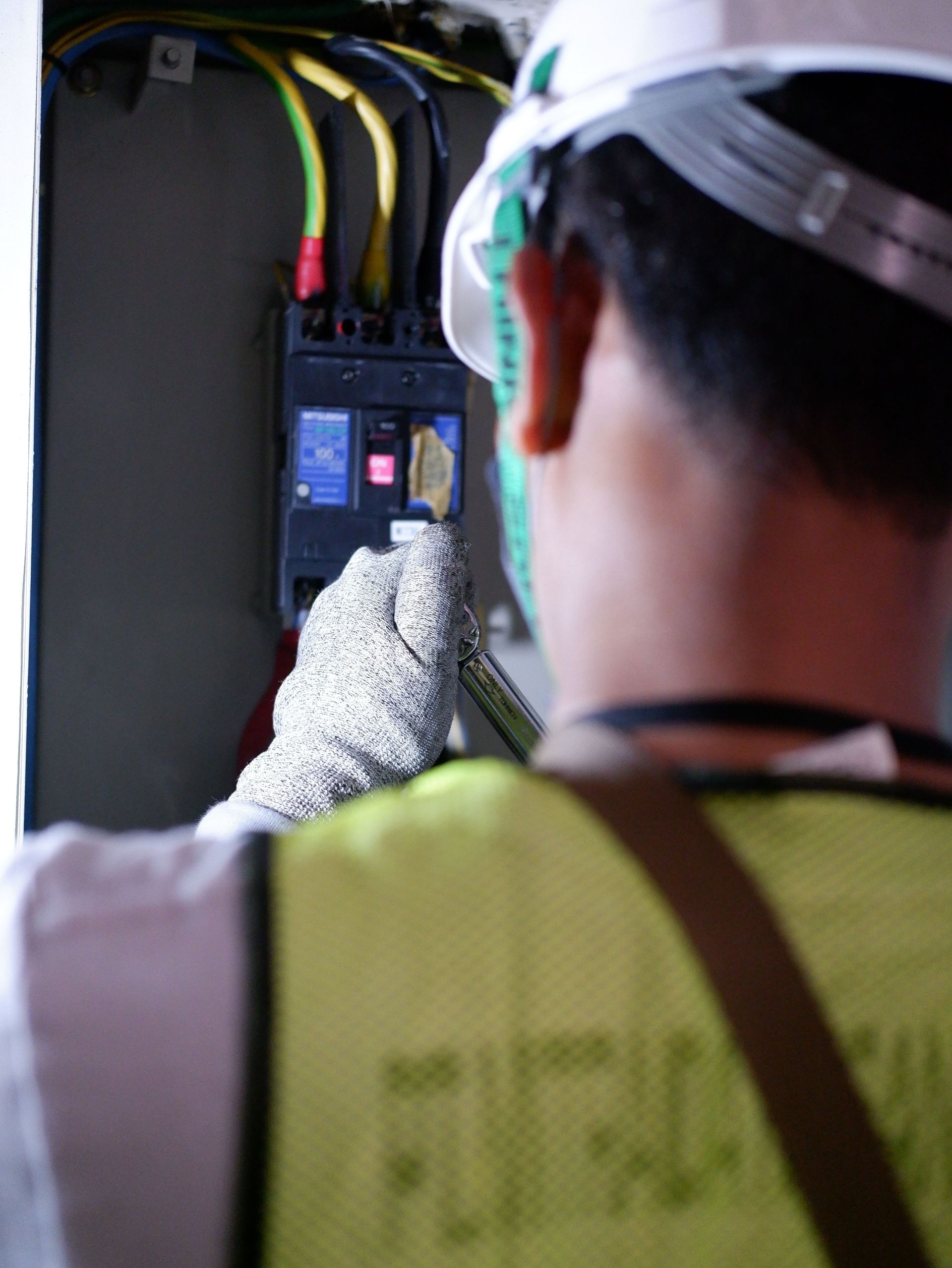
Arizona lets homeowners pull their own permits, but the work has to pass inspection and it involves opening a live panel. We recommend a licensed electrician. Our post on permits explains what the city will want to see.
How long does it take to install a dedicated circuit?
A single circuit from an open panel slot usually takes two to four hours. Longer runs, attic work in summer, or a full panel is a bigger job. We give you the timeline before we start.
Contact Oliver Electric in Buckeye, AZ
Oliver Electric LLC
18927 W Latham St
Buckeye, AZ 85326
Phone: 623-387-9171
Stay connected with Oliver Electric for electrical tips, project updates, and helpful information for homeowners and businesses.
Follow Oliver Electric Online:
Facebook | X | Instagram | YouTube
Worked with Oliver Electric?