Do I Need AFCI Breakers in Arizona?
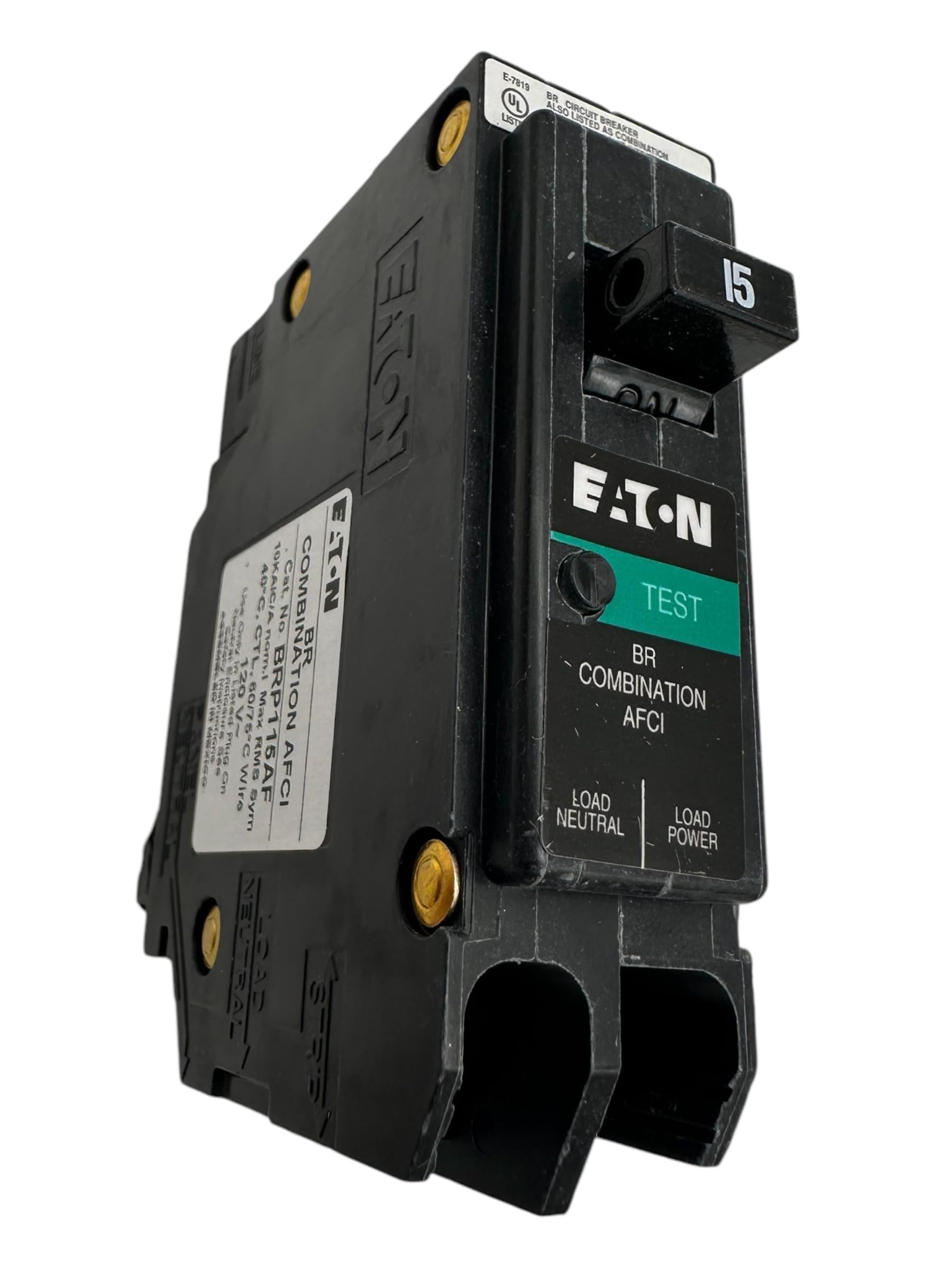
You need AFCI breakers on most bedroom, living room and hallway circuits if you are adding circuits, replacing a panel, or doing any permitted electrical work in Arizona, and I recommend them in older Buckeye and West Valley homes even when the code does not force the issue. AFCI stands for arc-fault circuit interrupter. People mix them up with GFCI outlets, which are a different device for a different danger. A GFCI protects you from shock near water. An AFCI protects your house from fire. If your GFCI is the one giving you trouble, read our post on why a GFCI outlet keeps tripping. This one is about AFCIs.
What an AFCI Breaker Actually Does
An arc is electricity jumping a gap. A loose wire under a screw terminal, a nail through a cable, a pinched cord, or a rodent-chewed wire in the attic all create tiny arcs. Each one is a spark hotter than a match, behind the wall where nobody sees it. A standard breaker does not care, because an arc does not pull enough current to trip it.
An AFCI breaker listens to the electrical signature on the circuit. Arcing has a jagged, distinctive waveform. When the breaker sees it, it trips in a fraction of a second, before the wood framing has time to catch. That is the whole job, and it is the reason the electrical code has been expanding AFCI requirements for over twenty years.
Where Arizona Code Requires Them
Arizona cities adopt the National Electrical Code with local amendments, and the edition varies by city. In general terms, here is what to expect when you pull a permit in the West Valley:
• New homes: AFCI protection on nearly every 15 and 20 amp circuit serving living spaces, including bedrooms, living rooms, dens, hallways, closets and kitchens.
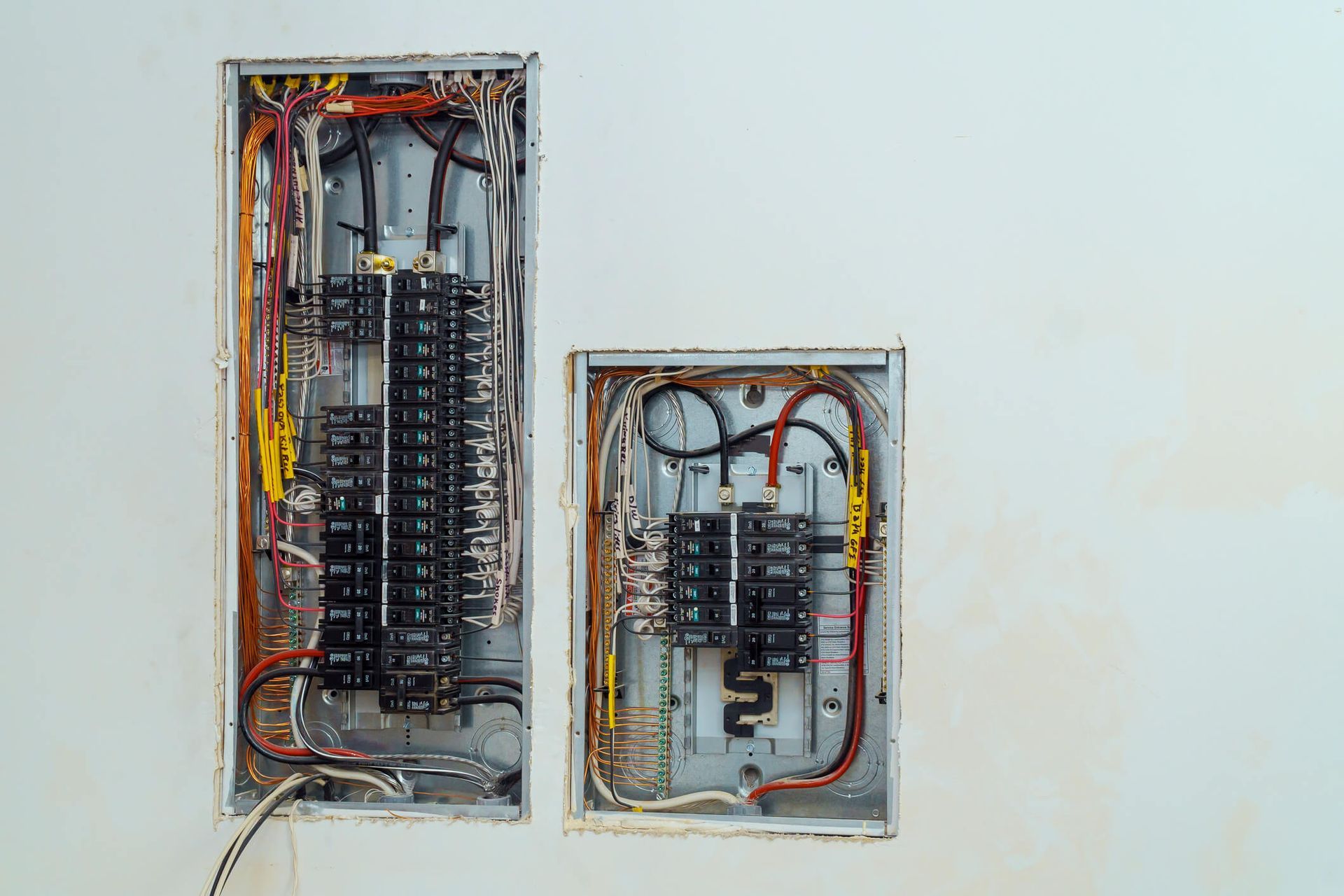
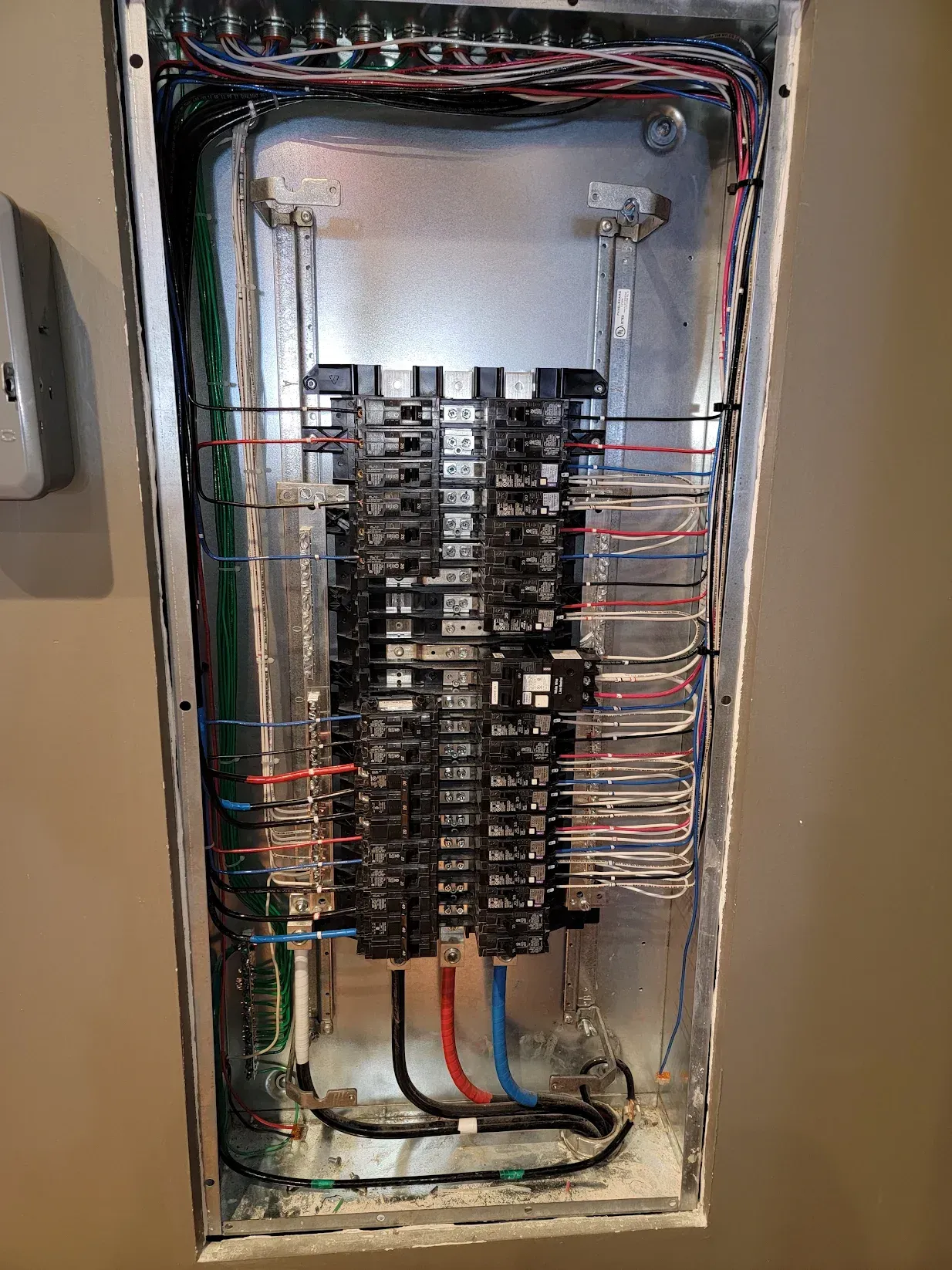
• Panel replacements and circuit additions: the new or extended circuits usually need AFCI protection, even if the rest of the house does not have it.
• Older homes with no work being done: no requirement. Nobody is going to make you retrofit.
Because the rules shift from Buckeye to Goodyear to Surprise, we check the adopted code for your city before we quote. That is part of our code compliance and safety inspection work, and it keeps your permit from getting kicked back.
A Buckeye Home Where the AFCI Did Its Job
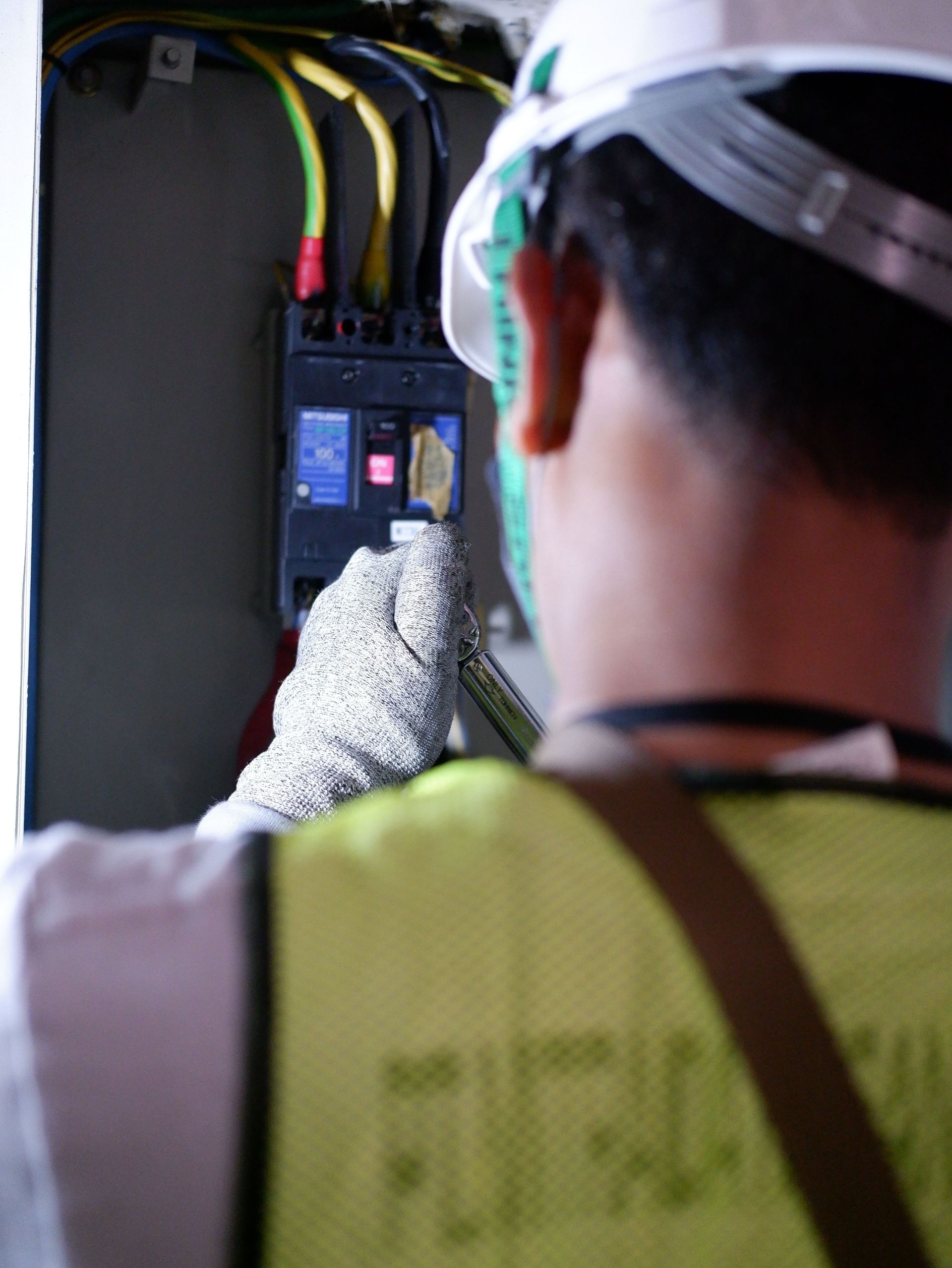
We replaced a panel in an older Buckeye ranch house last year and, per code, put AFCI breakers on the bedroom circuits. Two weeks later the homeowner called, irritated, because one bedroom breaker kept tripping with nothing plugged in.
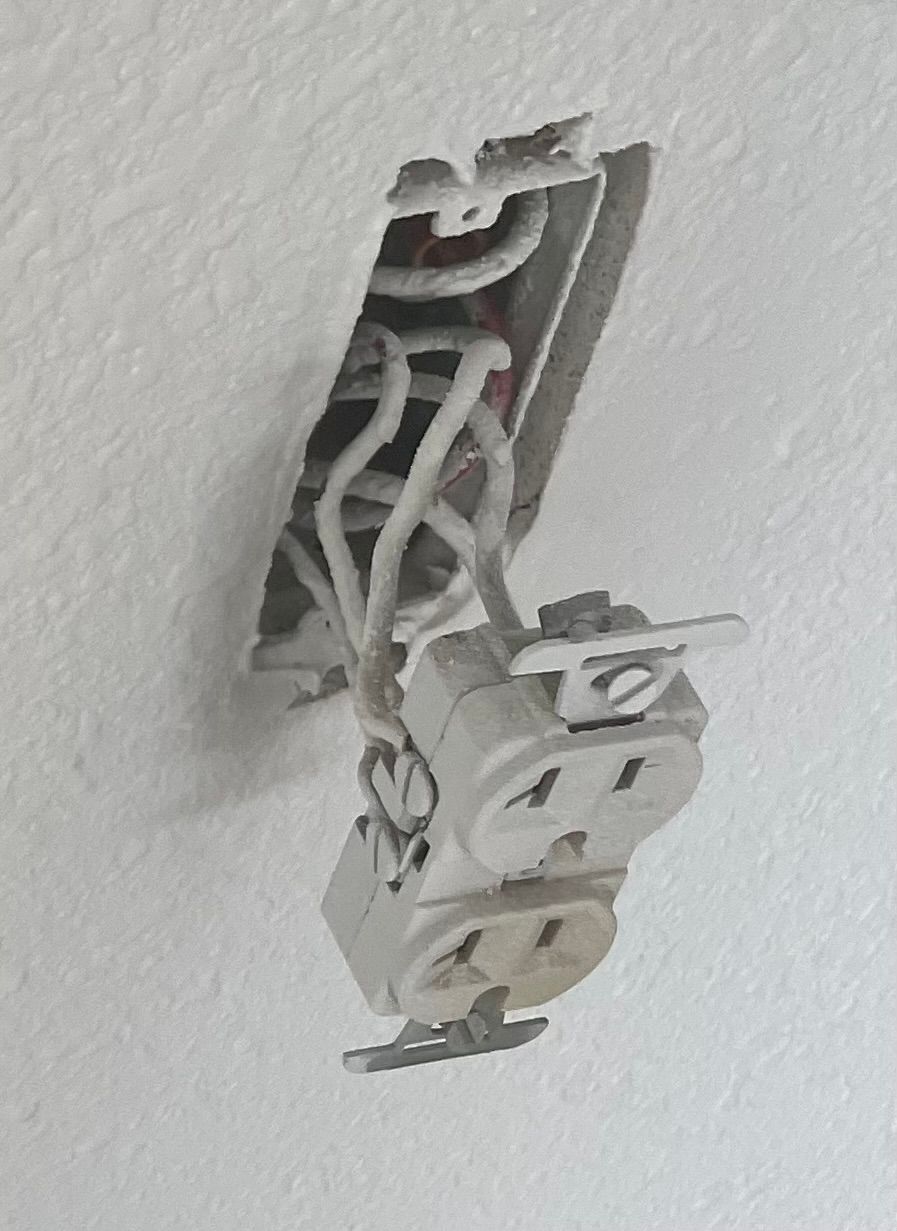
Our tech traced the circuit and found an old ceiling fan box where the wire nut on the neutral had backed off. The bare copper was arcing against the metal box every time the fan motor started. There was scorching on the inside of the box. The AFCI was not being fussy. It was catching a fire that had not happened yet. We fixed the connection, the breaker stopped tripping, and that family is still in that house.
The Honest Downside of AFCI Breakers
AFCIs are not perfect. They cost more than a standard breaker, and early versions were known for nuisance trips from vacuums, treadmills and some LED drivers. The newer combination-type units are far better, but old, tired wiring can still trip them more than a homeowner expects.
But when an AFCI trips for no obvious reason, there is usually a reason. Loose connections, damaged cable and worn devices are exactly what it is built to find. We treat a nuisance-tripping AFCI as a diagnostic tool, not a defective part. Better to find the loose neutral now than hear about it from the fire marshal.
Should You Add AFCIs If Code Does Not Make You?
If your West Valley home was built before the mid-2000s, it probably has no AFCI protection at all. Adding AFCI breakers to the bedroom and living room circuits is one of the more affordable safety upgrades on the list, and it is usually a same-day job if your panel has room. It pairs well with a whole-house surge protector and updated outlets and switches, which are the other two places we find heat damage in older homes.
If your panel is a brand with a known failure history, or it is full, we will tell you before we start. Sometimes the answer is a panel upgrade with AFCIs built in, and sometimes it is a handful of breakers. We do not upsell. We fix it once.
Call Oliver Electric About AFCI Breakers
Not sure whether your home needs AFCI breakers, or tired of one that keeps tripping? Oliver Electric has been a family-owned Buckeye electrician since 2006, ROC #229347, with 24/7 emergency service across the West Valley. Our electrical panel and circuit services team will look at your panel, check your city's adopted code, and give you a straight answer. Call 623-387-9171.
Frequently Asked Questions
What is the difference between AFCI and GFCI?
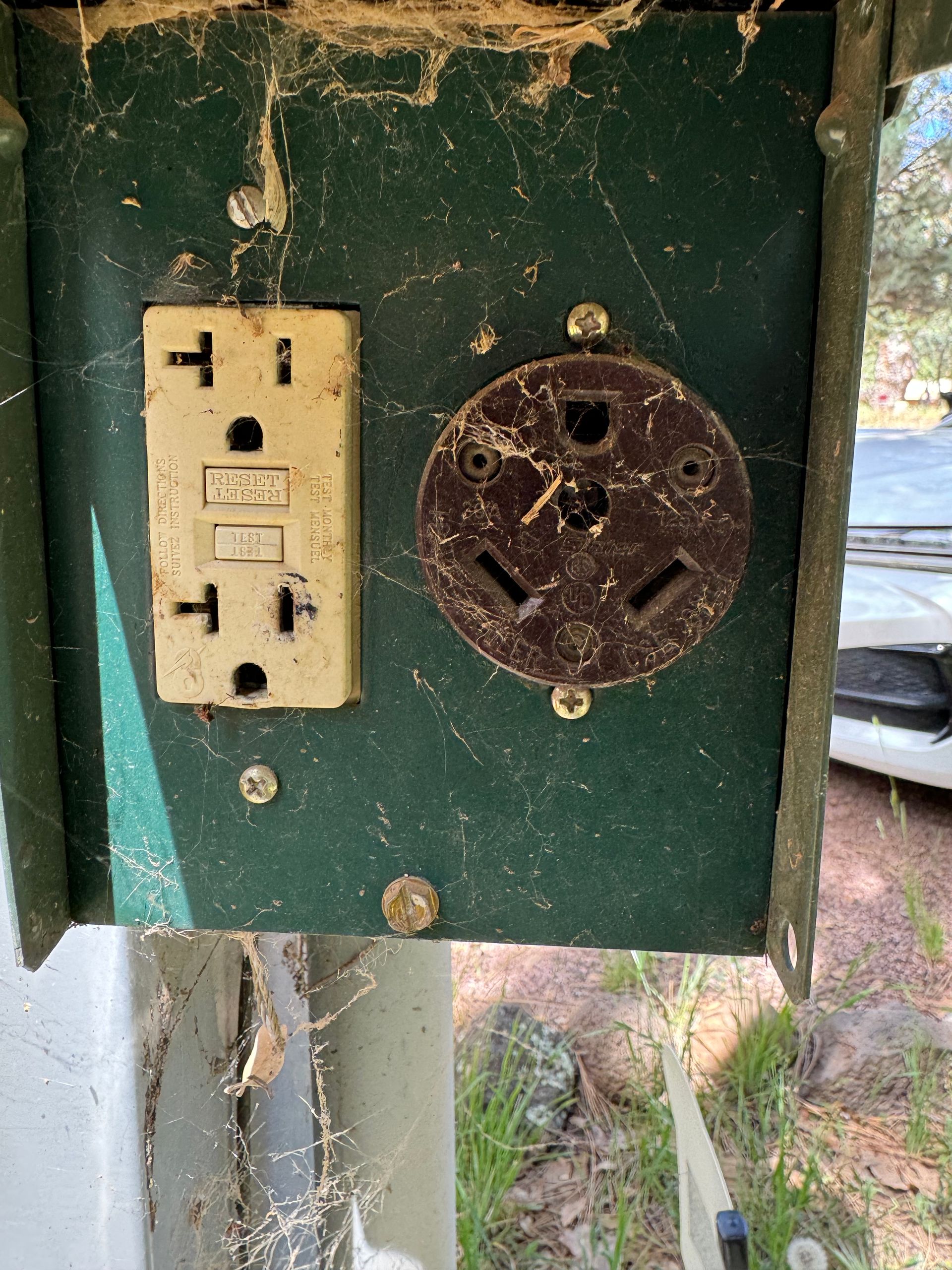
A GFCI watches for current leaking to ground, which is a shock hazard, so it goes near sinks, tubs and outdoors. An AFCI watches for arcing, which is a fire hazard, so it goes on circuits feeding living areas. Some circuits need both.
Can I replace a regular breaker with an AFCI breaker myself?
Legally, in most Arizona cities, panel work requires a permit and a licensed electrician. Practically, an AFCI needs its neutral pigtail landed correctly or it will trip constantly. Let us do it.
Why does my AFCI breaker trip when nothing is plugged in?
That usually means a loose or damaged connection somewhere on the circuit, often in a junction box or behind an outlet. The breaker is doing its job. Have the circuit traced rather than swapping the breaker.
Contact Oliver Electric in Buckeye, AZ
Oliver Electric LLC
18927 W Latham St
Buckeye, AZ 85326
Phone: 623-387-9171
Stay connected with Oliver Electric for electrical tips, project updates, and helpful information for homeowners and businesses.
Follow Oliver Electric Online:
Facebook | X | Instagram | YouTube
Worked with Oliver Electric?