Top Electrical Issues In Older Homes (And How To Fix Them)
If you live in an older home, chances are you love its character. Solid construction, unique details, and a sense of history give these homes a charm that newer builds often lack. However, behind the walls and beneath the trim, many older homes in Phoenix still rely on electrical systems that were never designed for modern life.
At Oliver Electric, we see this every day. Homeowners reach out after lights flicker unexpectedly, breakers trip repeatedly, or outlets feel warm to the touch. The question is almost always the same. Is this just a small issue, or is it something more serious?
The truth is that electrical problems in older homes rarely fix themselves. They tend to grow quietly over time, turning small inconveniences into serious safety risks if left unaddressed. Understanding what issues are common, which ones are normal for aging homes, and which ones signal immediate concern can help protect your home, your family, and your investment. That is why working with experienced Electricians in Phoenix matters so much when evaluating older electrical systems.
What Are The Most Common Electrical Problems?
The most common electrical problems in older homes usually come from systems that are outdated, overloaded, or worn down by decades of use. Homes built before the 1980s were designed for a very different level of electrical demand. At the time, powering a refrigerator, a few lamps, and maybe a television was considered standard.
Today, those same homes are expected to support air conditioning systems, smart televisions, computers, kitchen appliances, security systems, and electric vehicle chargers. All of that power flows through wiring and panels that were never meant to handle it.
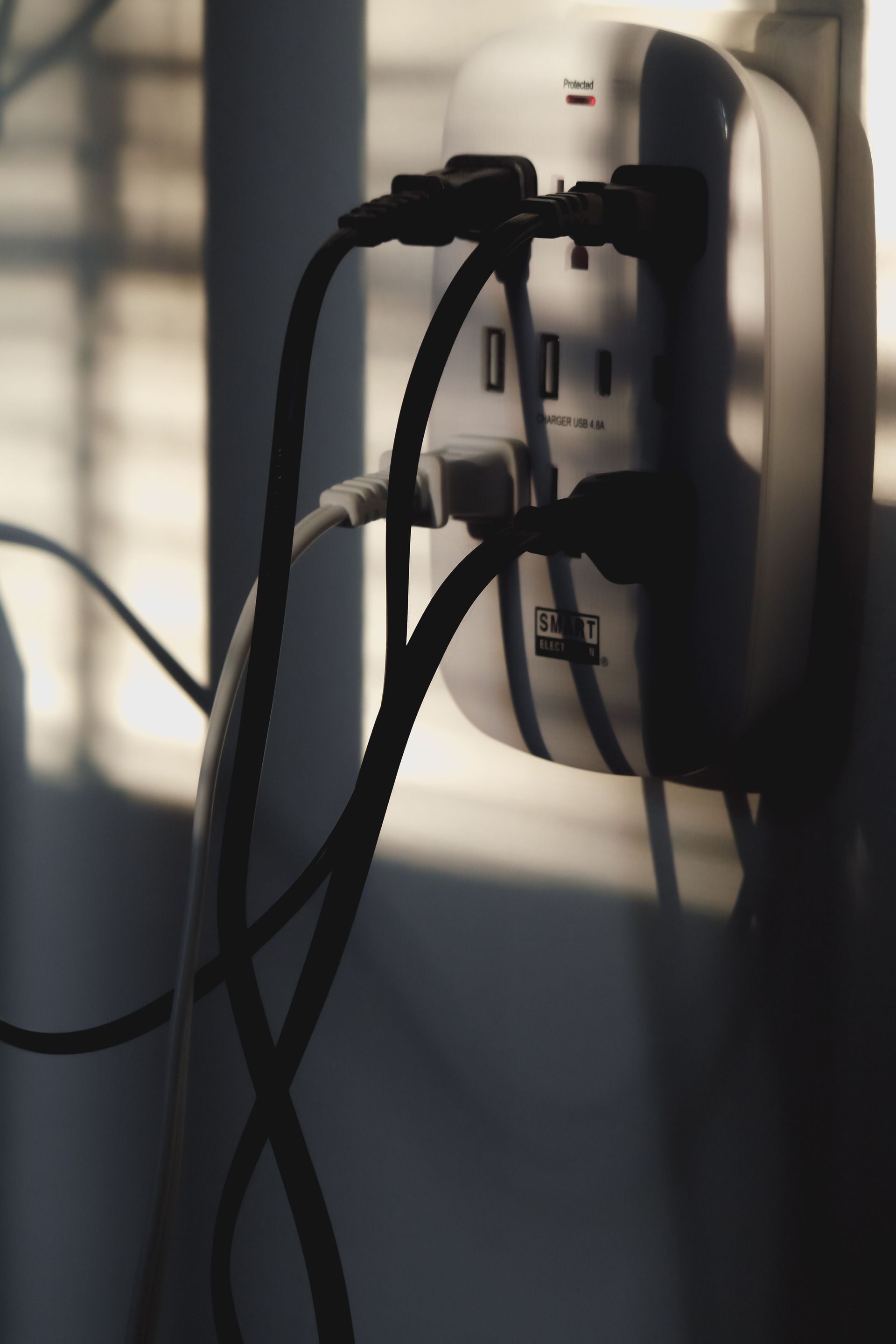
Outdated wiring materials such as aluminum or knob and tube wiring are still present in many older Phoenix homes. Over time, these systems can loosen, overheat, and increase the risk of electrical fires. Undersized electrical panels are another frequent issue. When a panel cannot manage the load, homeowners experience constant breaker trips, inconsistent power, and unsafe workarounds like extension cords and power strips.
Aging outlets, missing grounding, and deteriorating insulation often go unnoticed until a failure occurs. According to the U.S. Fire Administration, electrical failures and malfunctions are among the leading causes of residential fires, particularly in older homes. This is why professional evaluation by qualified Electricians in Phoenix is critical rather than waiting for a visible failure.
Aging Wiring And Outdated Electrical Systems
One of the most serious issues in older homes is wiring that has reached the end of its safe lifespan. Insulation dries out over time, becoming brittle and prone to cracking. When insulation fails, live wires are exposed inside walls, creating a hidden hazard.
Aluminum wiring, commonly installed in the 1960s and 1970s, expands and contracts more than copper. This movement can loosen connections, leading to overheating and arcing. Knob and tube wiring, which predates modern standards, lacks grounding entirely and was never intended to support today’s appliances.
As Electricians in Phoenix, we often meet homeowners who are surprised to learn that their system is still technically functioning but no longer safe. Electrical systems can appear to work while posing significant risks behind the scenes. Correcting these issues often involves rewiring sections of the home, replacing outdated connections, and ensuring all circuits are properly grounded and code compliant.
Professional training is essential here. Identifying unsafe wiring requires experience, specialized tools, and knowledge of current electrical codes. These upgrades must also pass local inspections, which is why working with licensed Electricians in Phoenix is so important.
One question I hear all the time from folks with older homes is what it would cost to just rewire the whole thing. The honest answer depends on your home's size, how easy the attic and walls are to reach, and the shape your panel is in, but there are realistic ranges you can plan around. I broke it all down, numbers included, in my guide to the cost to rewire a house in Arizona.
Older homes are also where flickering lights stop being a bulb problem and start being a connection problem. Decades of heat cycles loosen terminations at devices and in the panel, and the flicker is the warning. Learn how to tell a six dollar fix from a fire risk in why do my lights keep flickering.
Older Arizona homes were wired for a much lighter electrical life than we live now. One circuit often covers several rooms, and every remodel since has added another outlet to it. Before you add a workshop, a freezer, or a home office to an aging circuit, it is worth reading how many outlets can be on one circuit and knowing what you are working with.
Overloaded Circuits And Frequent Breaker Trips
Overloaded circuits are another major concern in older homes. When too many devices draw power from a single circuit, the breaker trips to prevent overheating. While this safety feature works as intended, frequent tripping signals a deeper issue.
In many older Phoenix homes, multiple rooms share circuits that are no longer suitable for modern usage. Kitchens, bathrooms, and laundry rooms often lack dedicated circuits, forcing high demand appliances to compete for power. Repeatedly resetting breakers without addressing the cause places stress on the system.
At Oliver Electric, we resolve these issues by redistributing electrical loads, adding new circuits, and upgrading panels when needed. These solutions reduce fire risk, improve reliability, and bring systems up to current standards. Experienced Electricians in Phoenix understand how to design circuit layouts that support modern living while meeting inspection requirements.
Ungrounded Outlets And Missing GFCI Protection
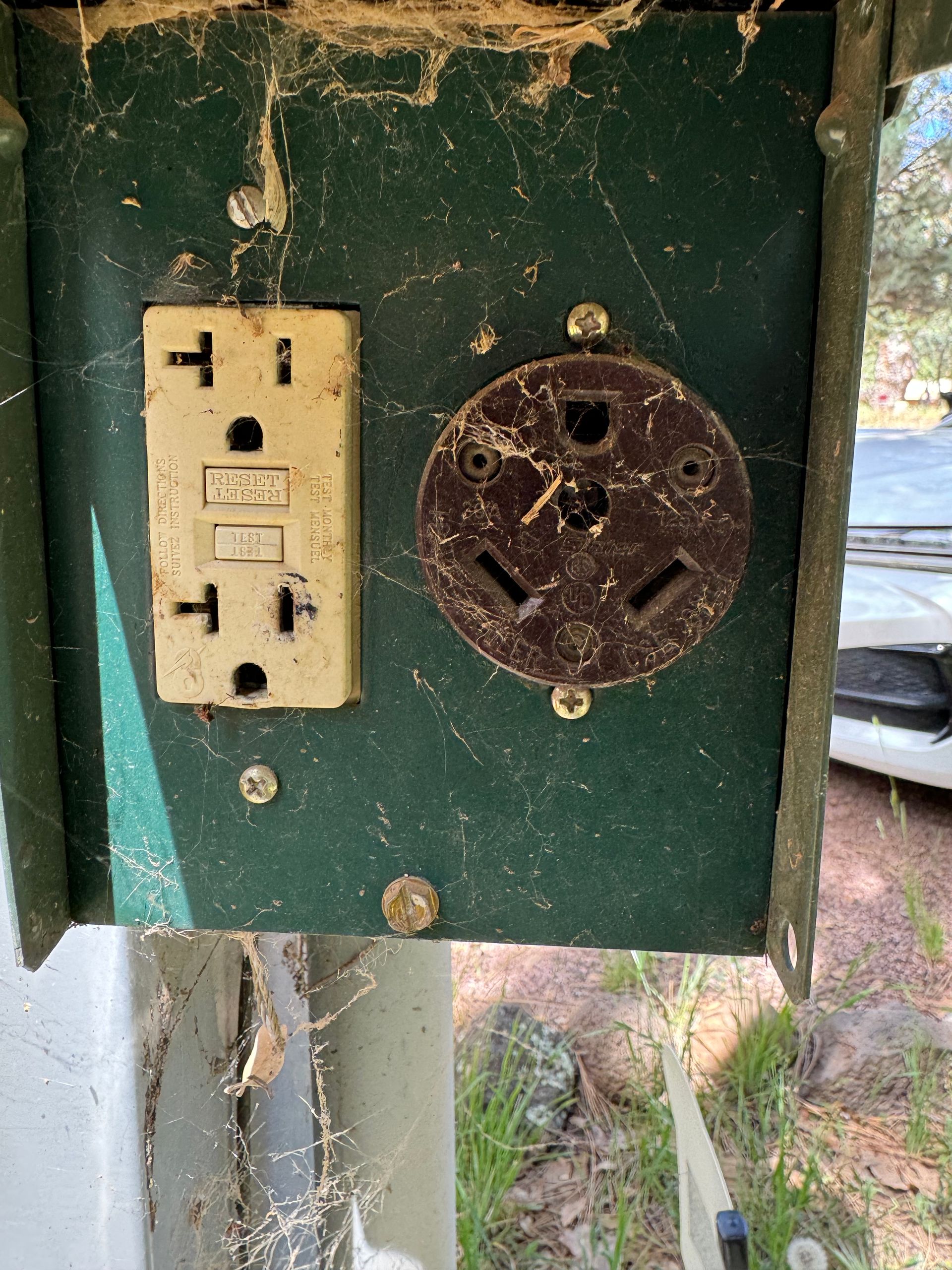
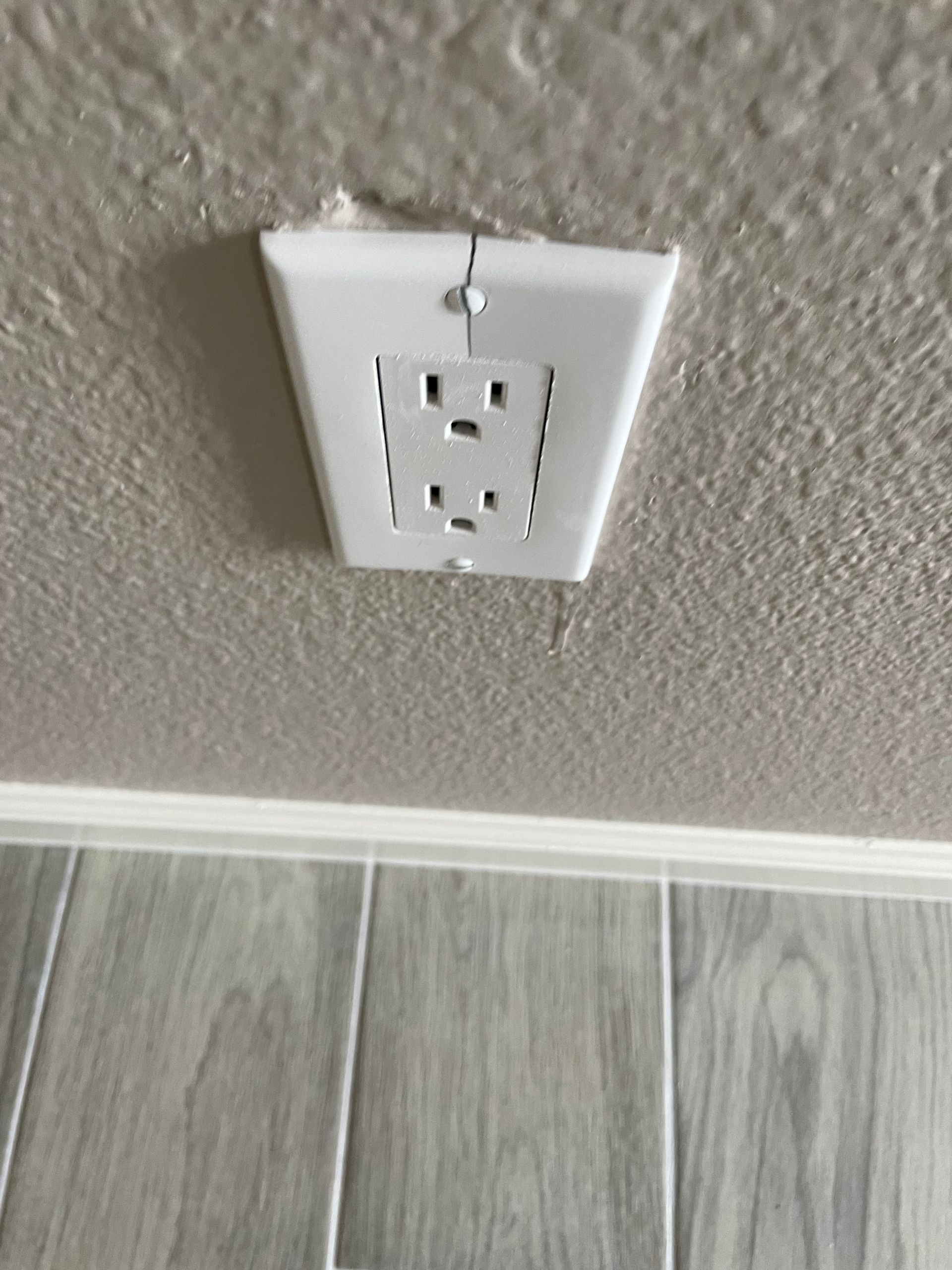
Grounding was not always standard practice, and many older homes still have two prong outlets with no grounding at all. Without grounding, excess electricity has no safe path, increasing the risk of shock and damage to electronics.
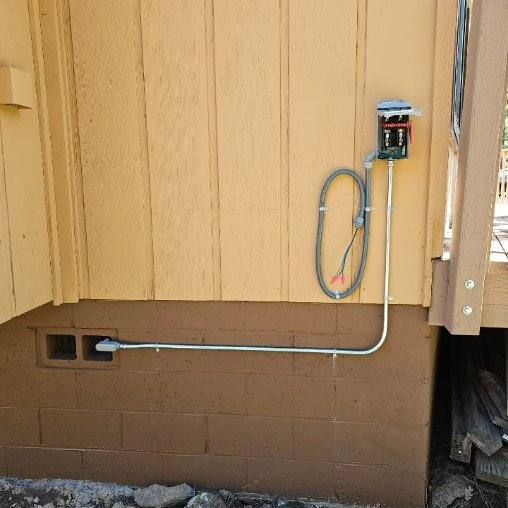
In areas like kitchens, bathrooms, garages, and outdoor spaces, missing GFCI protection is especially concerning. Ground fault circuit interrupters are designed to shut off power instantly when an imbalance is detected, protecting people from serious injury. Many older homes either lack these devices or have outdated versions that no longer function correctly.
Upgrading outlets and adding GFCI protection is one of the most effective safety improvements available. Professional Electricians in Phoenix can complete these upgrades without compromising the appearance or character of an older home while ensuring compliance with current safety codes.
Electrical Panels That Are Past Their Prime
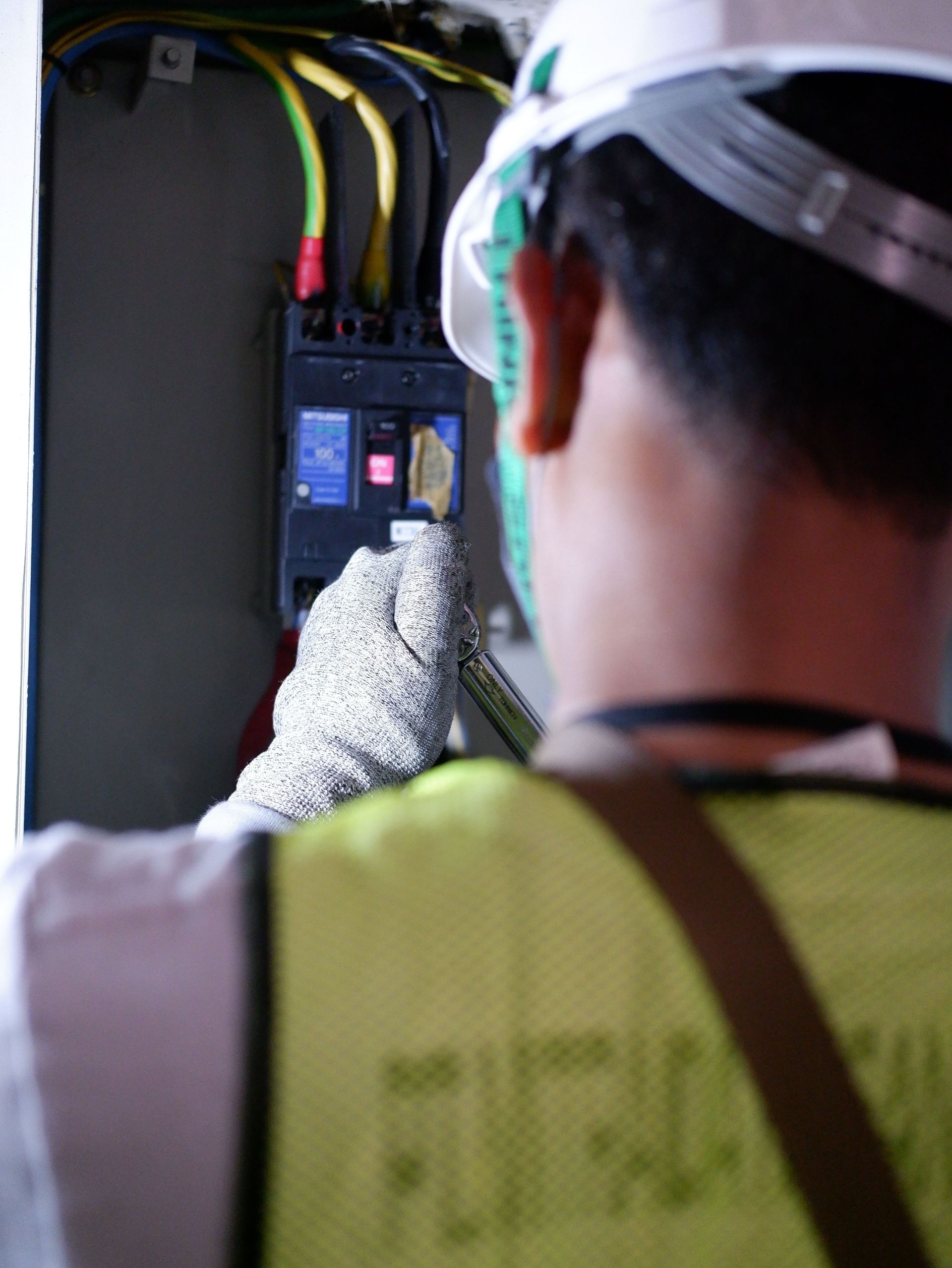
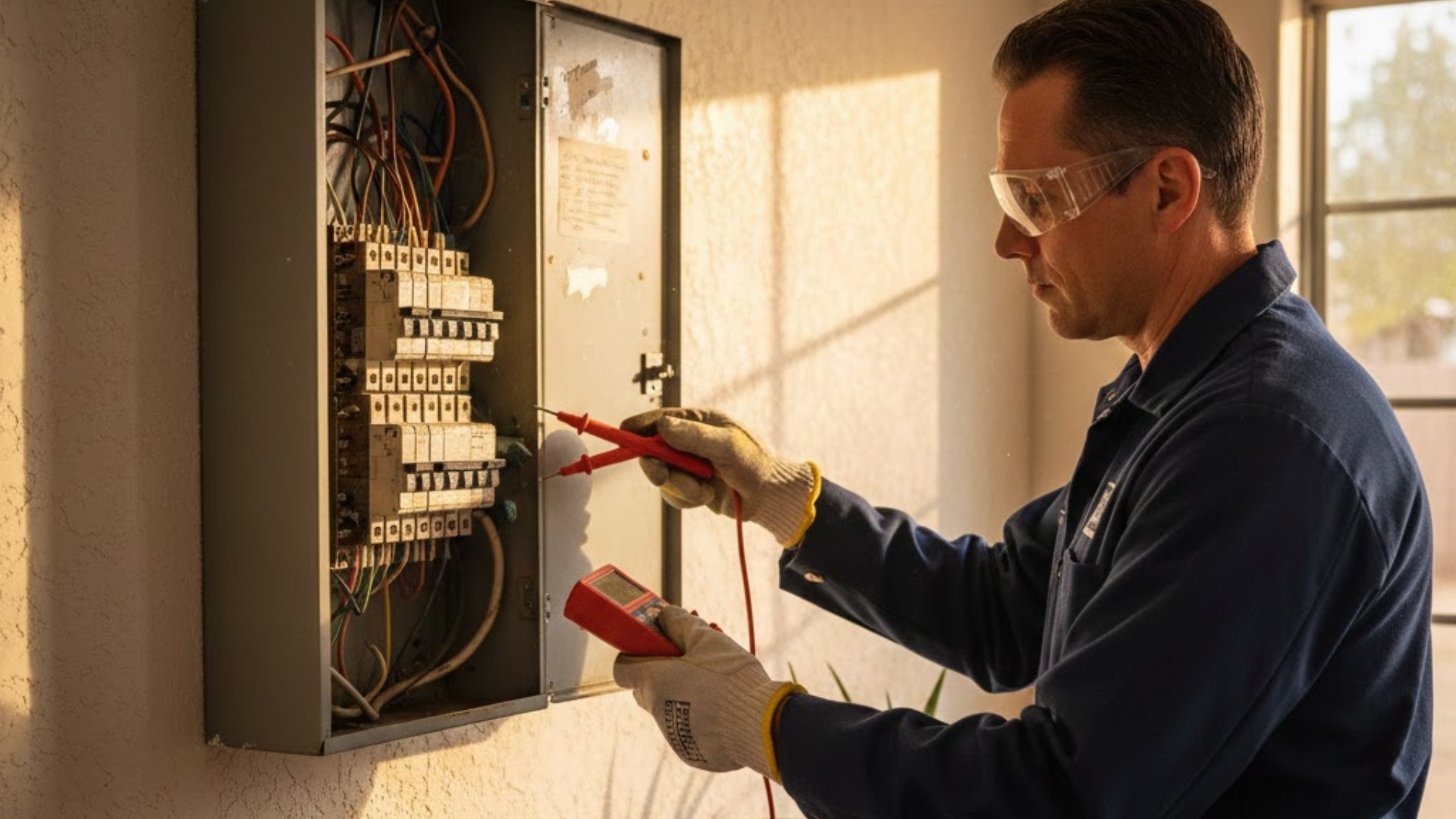
The electrical panel is the heart of your home’s system, and in older houses, it is often outdated or undersized. Fuse panels, obsolete breaker brands, and panels with limited capacity are still common throughout Phoenix neighborhoods.
An aging panel struggles to distribute power safely. It may fail to trip when it should or shut down unexpectedly under load. Panel upgrades improve safety and also allow homeowners to add modern features such as EV chargers, solar systems, or additional appliances.
When homeowners ask whether a panel upgrade is truly necessary, we explain it simply. The panel protects everything downstream. If it cannot keep up, the entire system is at risk. Trained Electricians in Phoenix perform these upgrades to ensure proper load calculations, safe installation, and successful inspection approval.
Local Insight From Phoenix Homes
Phoenix presents unique challenges for older electrical systems. Extreme heat places added stress on wiring, breakers, and panels. Air conditioning systems run longer and harder during summer months, dramatically increasing electrical demand.
We have seen homes that appeared stable for years suddenly develop serious issues during peak heat. That is why proactive inspections are so important. Scheduling an evaluation before summer allows Electricians in Phoenix to identify vulnerabilities early and prevent emergency failures when temperatures are at their highest.
Local experience matters. Understanding how heat impacts electrical components helps professionals recommend upgrades that last and perform reliably.
Why Professional Electrical Work Matters
Electrical systems are complex and highly regulated for good reason. Licensed electricians undergo extensive training to understand safety standards, code requirements, and inspection processes. This training ensures work is done correctly, safely, and in compliance with local regulations.
Improper repairs or shortcuts can lead to failed inspections, voided insurance claims, and ongoing safety risks. Professional Electricians in Phoenix know how to complete work that passes county inspections with confidence and protects homeowners long term.
At Oliver Electric, professionalism means doing the work right the first time. Our approach focuses on safety, transparency, and long term reliability rather than temporary fixes.
Final Thoughts On Fixing Electrical Issues In Older Homes
Owning an older home does not mean living with outdated or unsafe electrical systems. With proper upgrades, inspections, and professional repairs, these homes can be just as safe and efficient as newer builds.
Education plays a critical role. When homeowners understand what is happening behind their walls, they can make confident decisions about safety and investment. As trusted Electricians in Phoenix, our goal is to provide clear answers, honest recommendations, and solutions that respect both your home’s character and modern standards.
If you are noticing flickering lights, frequent breaker trips, warm outlets, or simply have questions about your home’s electrical system, help is available. Reach out to Oliver Electric to schedule a professional inspection with experienced Electricians in Phoenix. Contact us today to get clarity, protect your home, and address issues before small problems turn into costly emergencies.
Contact Oliver Electric in Buckeye, AZ
Oliver Electric LLC
18927 W Latham St
Buckeye, AZ 85326
Phone: 623-387-9171
Stay connected with Oliver Electric for electrical tips, project updates, and helpful information for homeowners and businesses.
Follow Oliver Electric Online:
Facebook | X | Instagram | YouTube
Worked with Oliver Electric?