Why do my circuit breakers keep tripping
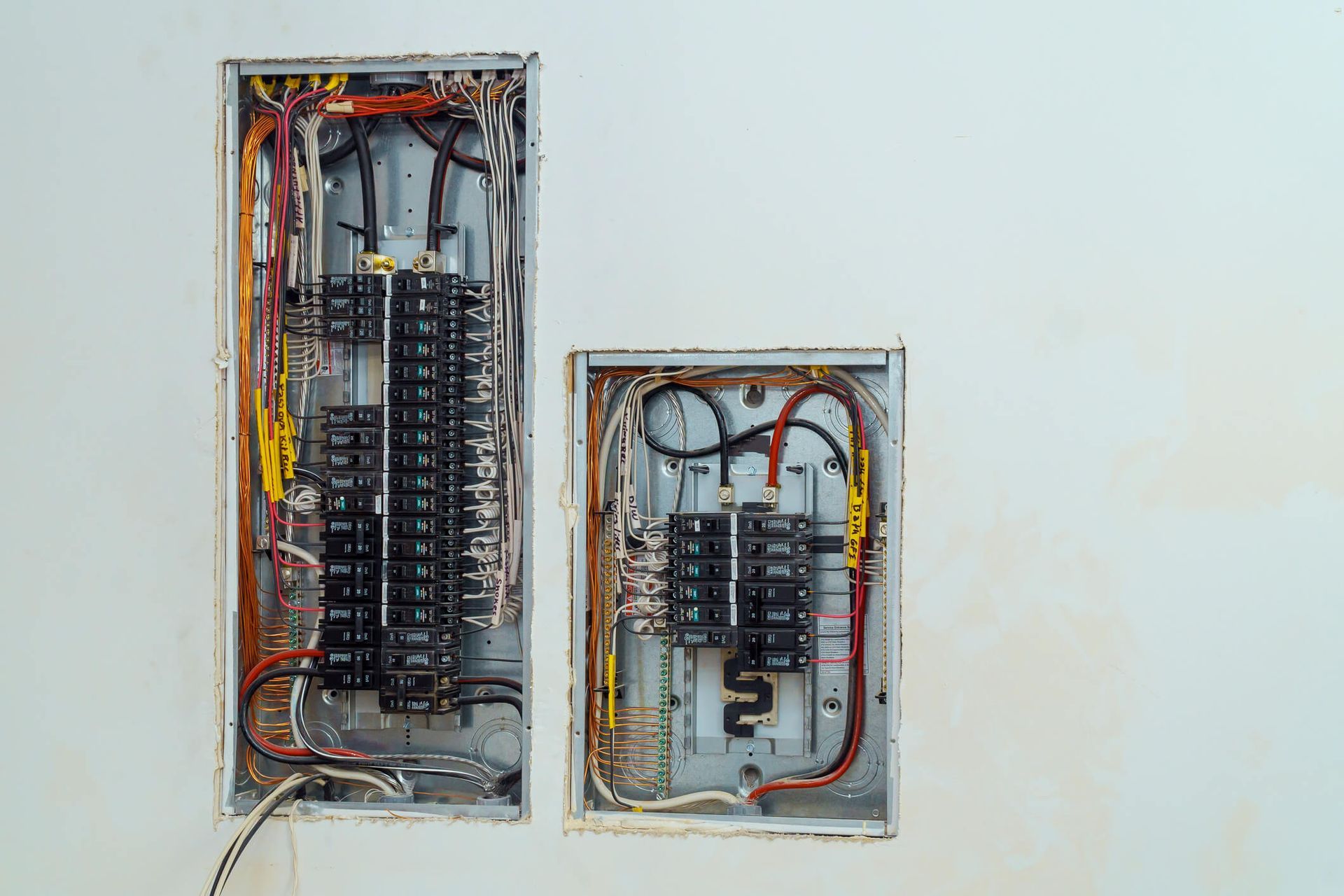
Circuit breakers keep tripping for three main reasons: too many things pulling power on one circuit, a short circuit somewhere in the wiring, or a breaker that has simply worn out. And here in Arizona, our summer heat makes all three worse, because breakers trip faster when they run hot.
I’m Johnny Oliver. I started Oliver Electric in Buckeye back in 2006, and these days my sons Justin and John work right beside me. A breaker that keeps tripping is one of the most common calls we get, so let me walk you through what that gray box on your wall is trying to tell you.
The Three Big Reasons a Breaker Trips
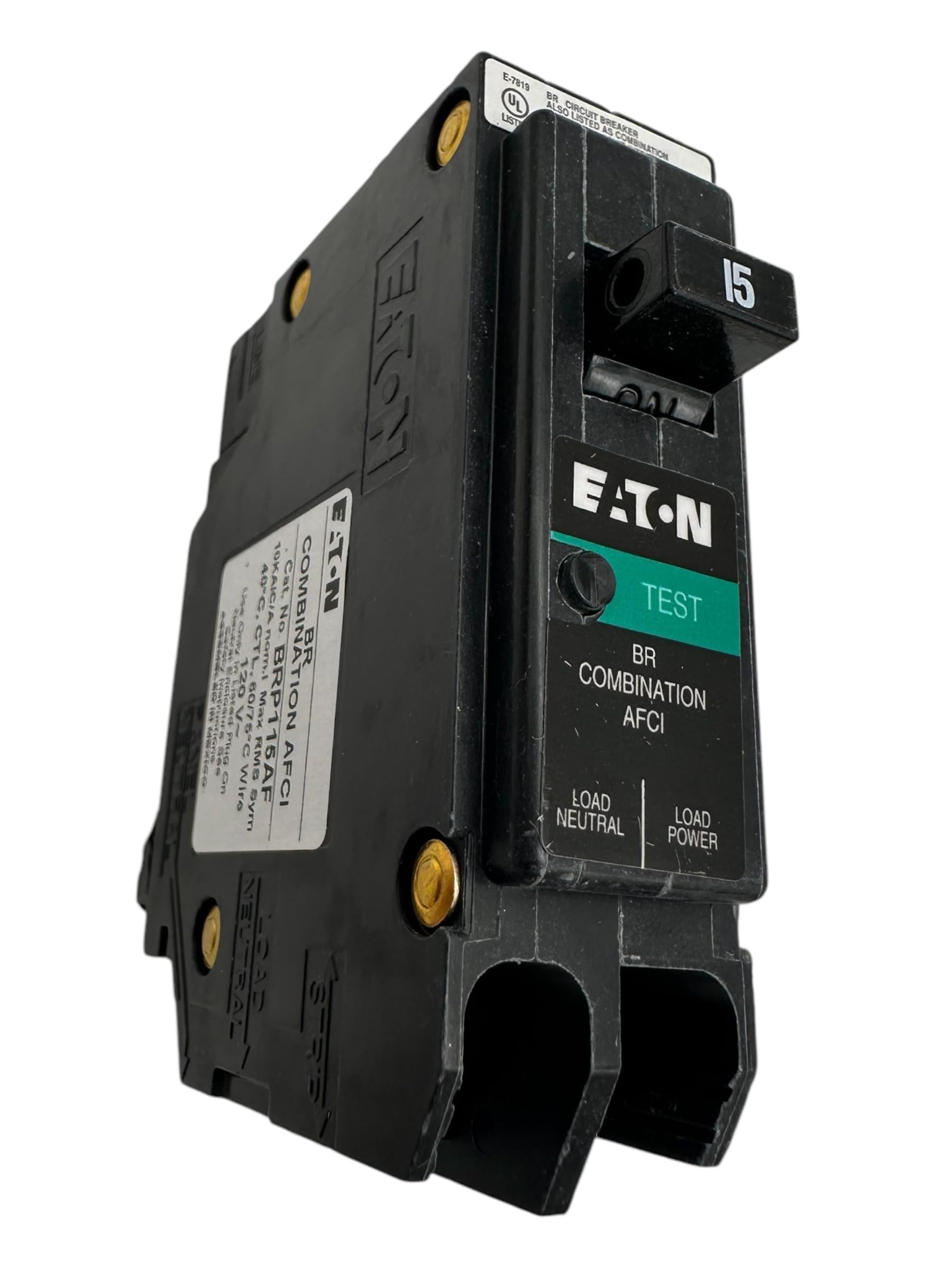
A breaker is a safety switch that cuts the power before a wire overheats and starts a fire. When one keeps tripping, it is usually telling you one of three things:
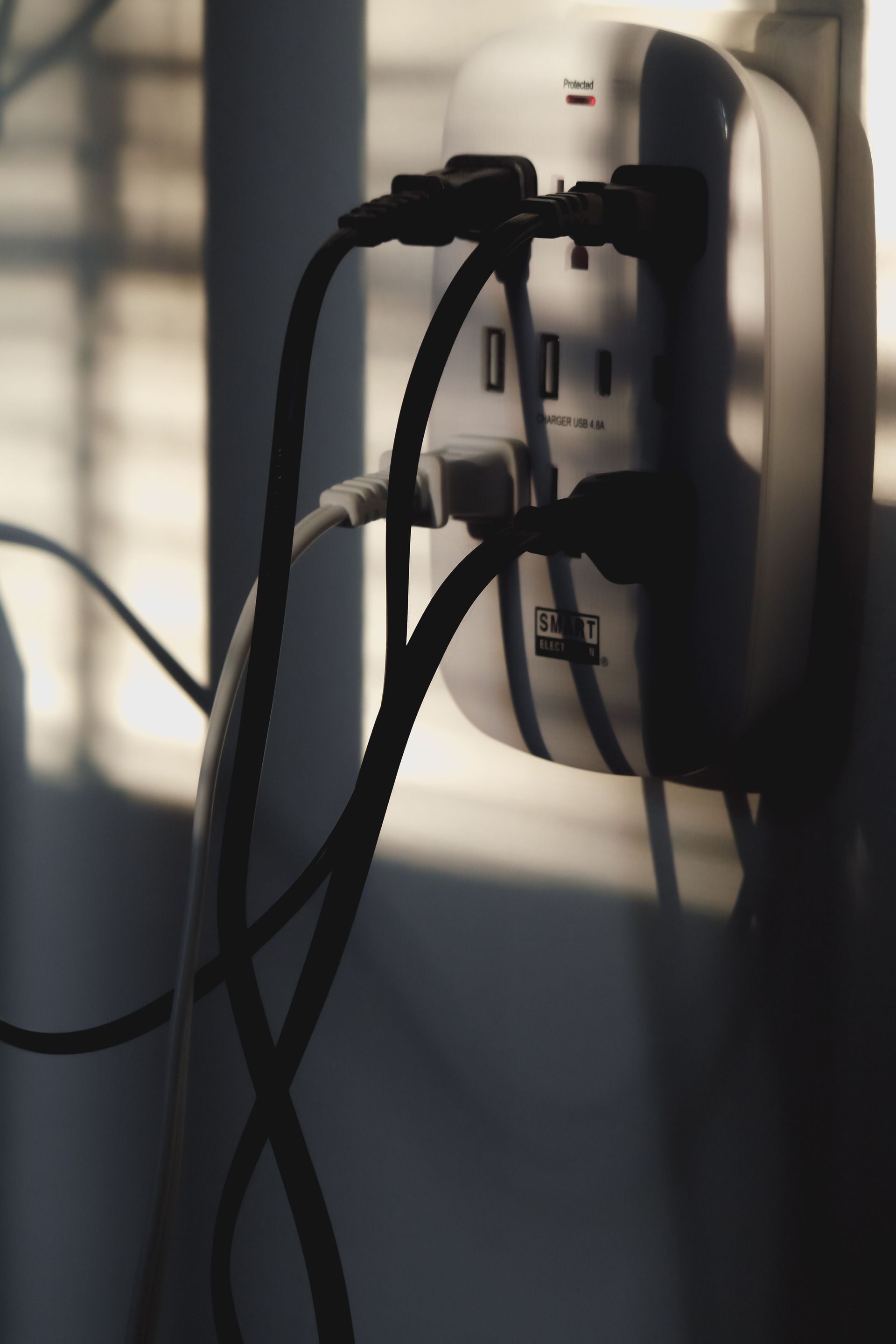
• Overloaded circuit. Too many things running on one circuit at the same time. This is the most common cause by far. Kitchen counters and garages are the usual trouble spots.
• Short circuit. A hot wire touching something it should not. The breaker trips instantly, sometimes with a pop or a burning smell. This one is serious.
• A tired breaker. Breakers wear out like anything else. After 20 or 30 Arizona summers, some trip when nothing is wrong. Worse, some stop tripping when something is.
One more cause worth checking in older West Valley homes: aluminum branch wiring. Houses built between 1965 and 1973 often have it, and as those connections loosen with age they can arc, overheat, and trip breakers with no obvious overload. If your home is from that era and breakers trip while outlet or switch covers feel warm, the wiring itself may be the culprit. Here's how to find out if your aluminum wiring is dangerous.
Why Circuit Breakers Keep Tripping More in Arizona Summers
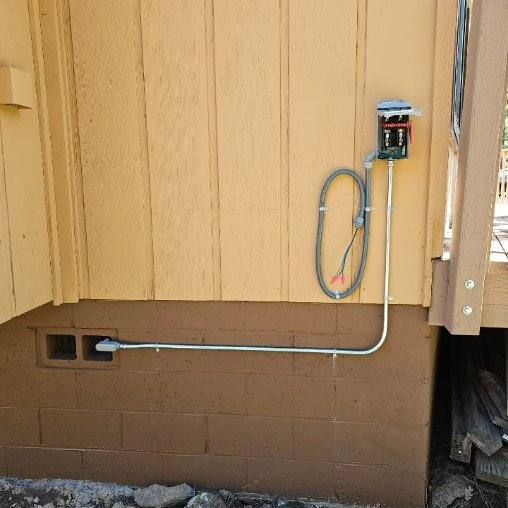
In the West Valley, most panels sit in the garage or on an outside wall. In July, that panel can be 110 degrees before you turn anything on. Breakers trip on heat, so a circuit that behaves fine in February can trip every single afternoon in July.
Summer is also when your air conditioner works hardest. Every time the compressor kicks on, it pulls a big surge of power. If your breakers trip when the AC starts up, your panel may be struggling to keep up with the house. That is exactly what our electrical panel and circuit services are for, and I covered the warning signs in 5 Signs Your Phoenix Home Needs an Electrical Panel Upgrade.
Tripping breakers often travel with another symptom: lights that flicker or dim when big appliances start. The two can share a root cause, from overloaded circuits to loose connections in the panel. We wrote a separate guide on the harmless and the dangerous kinds in why do my lights keep flickering.
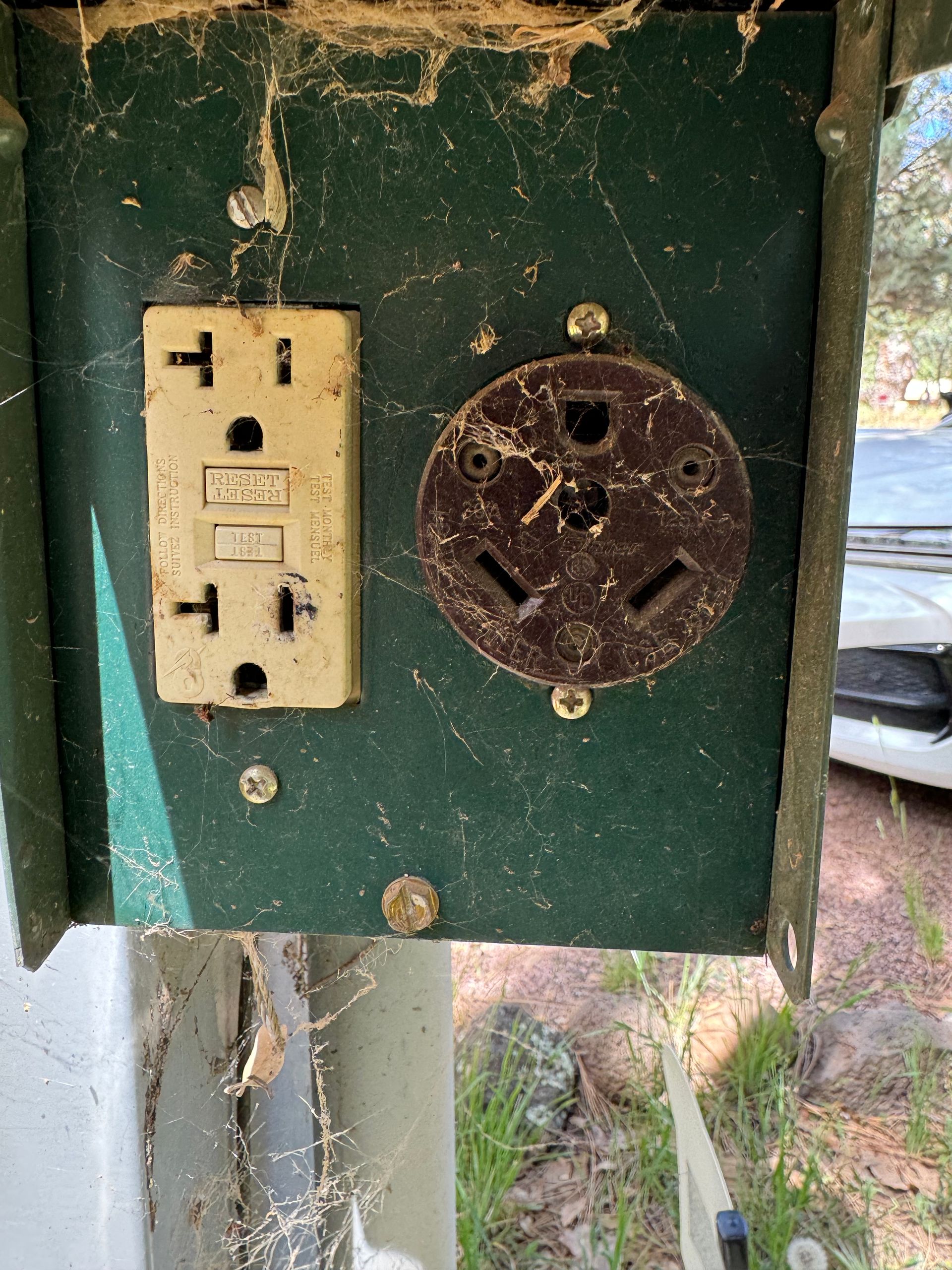
One thing worth sorting out early: a breaker in the panel and a GFCI outlet trip for completely different reasons. A breaker trips on too much current, meaning overload or a short. A GFCI trips on a tiny amount of current leaking off the circuit, often as little as 5 milliamps. If it is the outlet in your garage or bathroom that keeps clicking off rather than the breaker in the panel, start with why does my GFCI outlet keep tripping instead.
A Breaker Call I Still Tell People About
A few years back, a family near Verrado called about a kitchen breaker that had tripped daily for almost a month. The homeowner kept resetting it, figuring it was annoying, not dangerous.
When I pulled the panel cover, the wire on that breaker was loose and had been arcing the whole time. The insulation was browned an inch back and the breaker lug was half melted. The fix was simple and cheap: a new breaker, a trimmed-back wire, and a proper connection. But another month of resets and we could have been talking about a fire inside the wall. A breaker that trips once is information. A breaker that trips over and over is a warning.
Sometimes a breaker that trips is not faulty and nothing is wrong with the wiring. The circuit is simply carrying more outlets, and more load, than it was laid out for. That is especially common in West Valley homes where a garage freezer got plugged into a bedroom circuit. If you want to know what a circuit should reasonably carry, see how many outlets can be on one circuit.
The Honest Truth: Sometimes the Breaker Is the Hero
Here is something you will not hear from every electrician: not every tripping breaker needs a repair, and it rarely means you need a whole new panel. Sometimes the cheapest fix is changing a habit.
I have been to homes where the “problem” was a space heater and a hair dryer sharing one bedroom circuit. My advice cost nothing: plug the heater in across the hall. We have run this business since 2006 on long-term fixes, not upsells. If a thirty-dollar breaker or a free habit change solves it, that is what we will tell you.
One thing I will never do, though, is “fix” a tripping breaker by putting in a bigger one. A 20-amp breaker on wire rated for 15 amps removes the protection that wire depends on. That is how house fires start.
What You Can Safely Check Before You Call
You do not need to open the panel to play detective:
• Unplug everything on that circuit, then reset the breaker once. If it holds, plug things back in one at a time and see what trips it.
• Spread out the big stuff. Microwaves, toaster ovens, space heaters, and vacuums are the usual troublemakers.
• Notice the timing. Trips on hot summer afternoons point to heat and AC load. Instant trips the moment you reset point to a short.
• If you smell burning or the panel feels hot, leave the breaker off and call our 24/7 emergency electrical services right away.
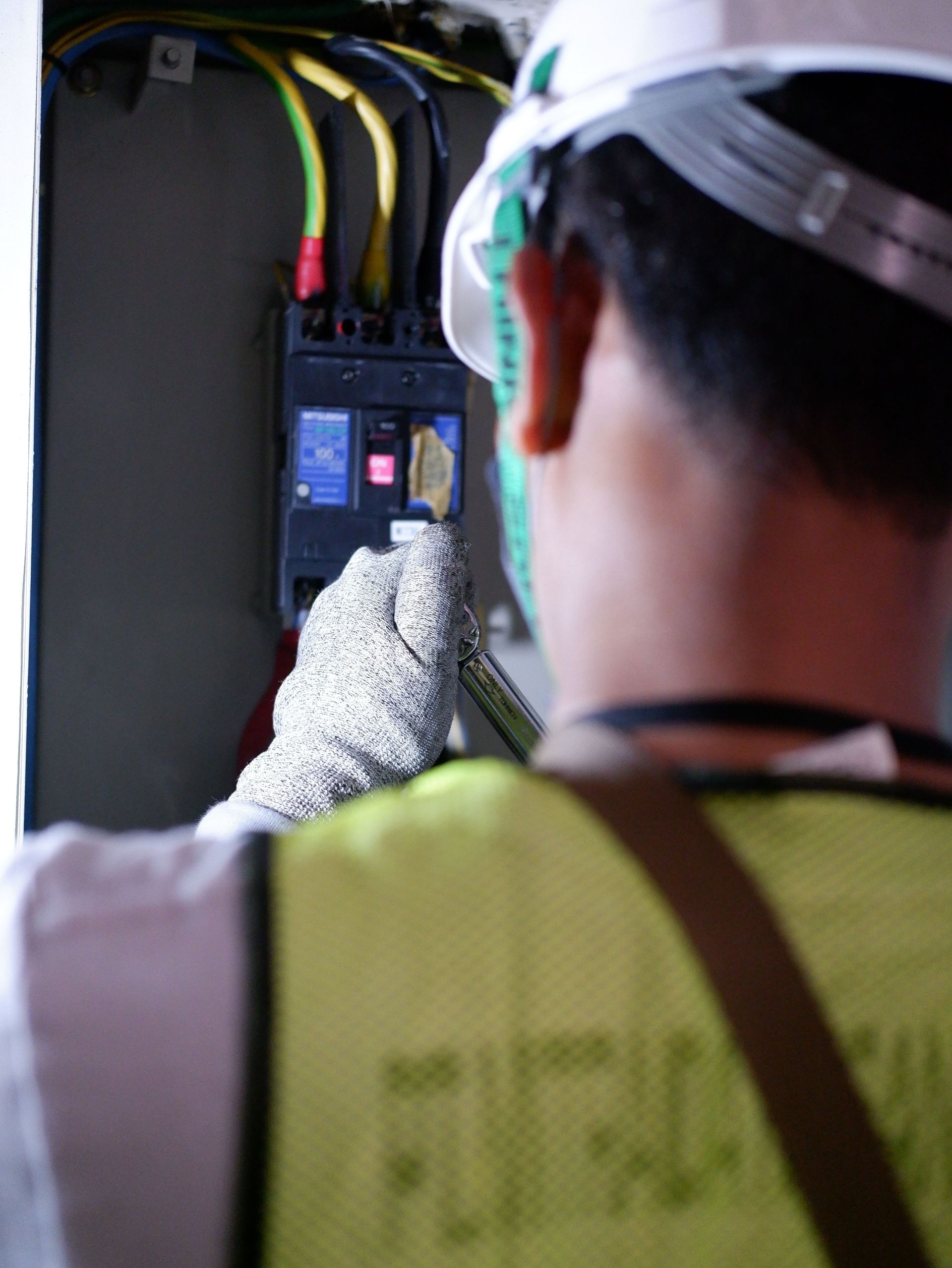
If the breaker still keeps tripping after that, stop resetting it and let a licensed electrician open the panel. Our electrical repair crew handles calls like this every week, and most visits take under an hour.
One more thing I check on almost every tripping-breaker call: the outlets on that circuit. A breaker that will not stay on and an outlet that feels warm are often two symptoms of the same overload or loose connection, and the outlet is usually where the heat shows up first. Before you reset that breaker one more time, put a hand on the outlets in that room. I explain what that warmth means and when it turns dangerous in my guide on why your outlets feel warm to the touch
If the tripping only happens when a specific appliance runs, the cause is often not the breaker at all. That appliance may be sharing a circuit it was supposed to have to itself. Find out which appliances the code says need their own breaker in our guide to dedicated circuits for appliances.
Circuit Breakers Keep Tripping? Give Us a Call
If your circuit breakers keep tripping, do not live with it and do not gamble on it. Oliver Electric is family-owned, licensed (ROC #229347), and we have served Buckeye and the West Valley for more than 18 years. My sons and I answer the phone 24/7, we will find the real cause, and we will fix it for the long haul. Call us at 623-387-9171.
One last thing: if your breakers trip constantly and your panel is an older 100-amp model — or one of the problem brands like Federal Pacific or Zinsco — the tripping may be your panel telling you it's done. Before you keep resetting it, it's worth knowing what a replacement actually runs. Here's our honest breakdown of electrical panel replacement cost in Arizona.
Frequently Asked Questions
Is it dangerous to keep resetting a breaker that trips?
Resetting it once is fine. Resetting it over and over is not. If the cause is a loose or damaged wire, each reset sends power right back into the problem spot. Find the cause first.
How much does it cost to fix a breaker that keeps tripping?
Around the West Valley, swapping a bad breaker usually runs in the low hundreds, including the service call. Hunting down a hidden short costs more. And if the fix is just moving an appliance to another circuit, it costs nothing. We give you a straight price before we start.
Can one bad appliance make a breaker trip?
Absolutely. A failing motor or compressor, like in an old fridge or pool pump, can pull far more power than it should. If the breaker holds with that appliance unplugged, you have found your troublemaker.
Dont risk it, call the experts Oliver Electric LLC - 623-387-9171