Electrical Inspection Before Buying a Home in Buckeye?
The short answer
Yes, get a separate electrical inspection before you buy if the house is more than about 20 years old, has been flipped or remodeled, has a panel brand your home inspector flags, or shows any aluminum wiring. A general home inspector looks at the electrical system for a few minutes with the cover off. A licensed electrician spends an hour inside it. In Buckeye, where whole neighborhoods went up in the early 2000s and are now hitting the age where original panels and connections start failing, that hour is worth it. Our electrical inspection service is built for exactly this window between offer and close.
What a home inspector checks versus what I check
I want to be fair to home inspectors. They are generalists covering the roof, the plumbing, the AC and the electrical in one morning. Most will pull the panel cover, note the brand, test a handful of outlets and check that GFCI protection exists near water. That is a screening, not a diagnosis.
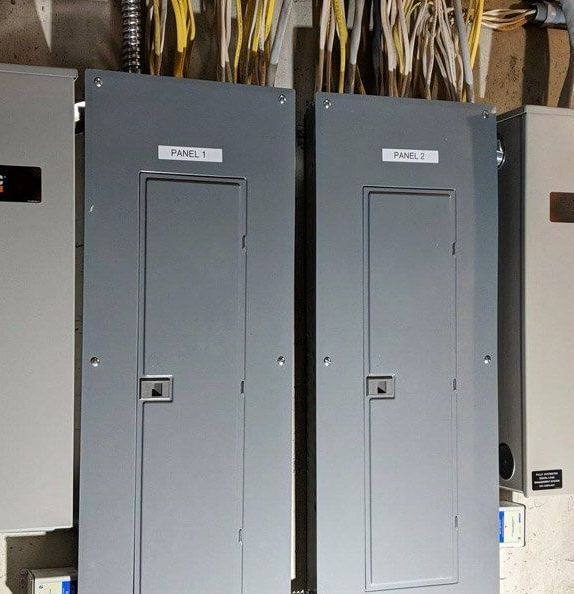
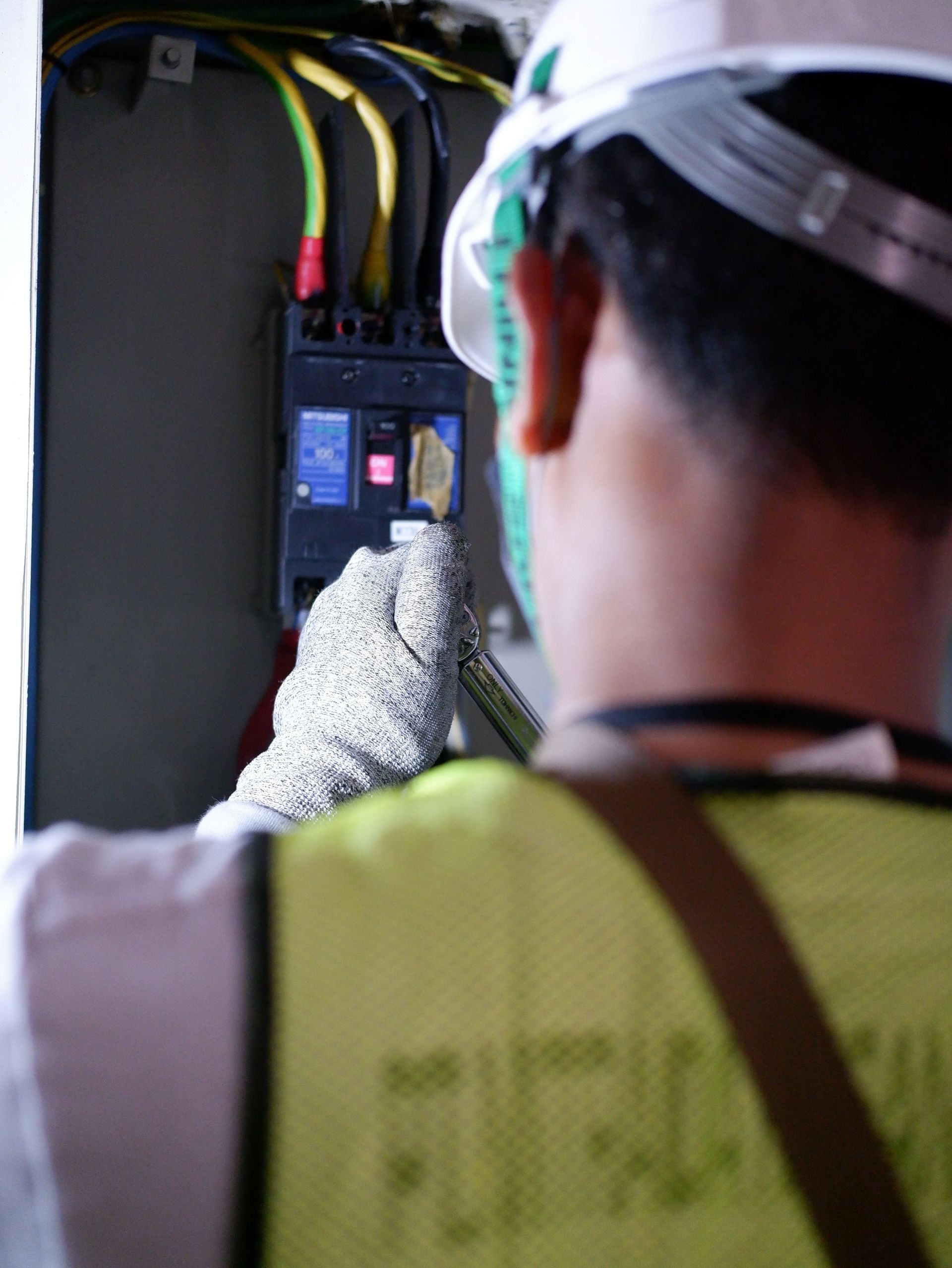
On a pre-purchase electrical inspection, I check every breaker for heat and loose terminations, look for double-tapped breakers and undersized wire, test grounding and bonding, open a sample of outlets and switches to see how connections were made, trace what the previous owner added without a permit, and load-check the service against what the house actually runs. My earlier post on how electricians inspect home wiring explains the method. This post is about the decision: when a buyer should order one and what to do with the report.
Red flags that should trigger an electrical inspection
• The house was built before 2000 or has a panel brand with a known recall history.
• Aluminum branch wiring, common in homes from the late 1960s and early 1970s.
• A finished garage, casita, workshop or pool equipment added after the original build.
• Scorched or warm outlets, flickering lights or a burning smell during the walkthrough.
• A flip. Fresh paint and new fixtures often hide fast electrical work.
• A solar system, EV charger or hot tub that was added by a previous owner.
Any one of those is enough. Two or more and I would not close without the inspection.
A Buckeye house that looked perfect
Last spring a young couple called me about a 2004 house in Verrado they were about to close on. The home inspection said the electrical was fine, but the kitchen had been redone, and that made me curious. Behind the new backsplash the island receptacles were fed from the dishwasher circuit with no GFCI, the range had been upgraded to a larger unit on the original wire, and three breakers were double-tapped to make room for the new circuits. None of it was visible from the countertops. The couple took my written report to the seller, negotiated a credit that covered the corrections, and we fixed it the week after they moved in. That is the point of doing it before close instead of after.
When you can skip it
I will be honest. If you are buying a house that is less than ten years old, has never been remodeled, and the home inspector found nothing unusual at the panel, a separate electrical inspection is probably unnecessary. Builder-installed electrical in Buckeye's newer subdivisions is generally sound. Save the inspection money for the things that house actually needs, like a surge protector or an EV circuit. I do not want to sell you an hour you do not need.
The exception is any house with work done by the owner. Buckeye has a lot of handy people, and some of that work is good. Some of it is not, and the house cannot tell you which.
How to use the report
You get a written report with photos, each finding ranked as a safety issue, a code issue or a maintenance note. Safety issues go to your agent for a repair request or credit. Code issues are worth knowing about but are not always a reason to walk. Maintenance notes are your to-do list for the first year. We also note anything that will need a permit and a code compliance and safety inspection from the town once corrected. If you want us to do the repairs, we quote them separately so you can compare, and the inspection report is yours either way.
Book an electrical inspection in Buckeye before you close
My dad started Oliver Electric in 2006, and my brother and I grew up in this trade. We are licensed (ROC #229347), family-owned, and we inspect houses across Buckeye and the West Valley every week. If you are under contract and the clock is running, call 623-387-9171 and we will fit your electrical inspection into your contingency period. Learn more about our Buckeye electrician services or visit Oliver Electric for everything we do.
Frequently Asked Questions
How long does a pre-purchase electrical inspection take?
Plan on one to two hours for a typical single-family home. Larger homes, houses with detached structures, or homes with solar and EV equipment take longer. You get the written report with photos the same day or the next morning, which keeps you inside your inspection period.
Is an electrical inspection required to buy a house in Arizona?
No. Arizona does not require a separate electrical inspection for a home sale, and most lenders do not either. It is a buyer's choice. We recommend it for homes over about 20 years old, remodeled or flipped homes, and any home where the general inspector flagged the panel or wiring.
Can the seller refuse to let an electrician inspect the house?
Your purchase contract controls that. Most Arizona contracts give the buyer an inspection period during which you may bring in any licensed professional you choose. Ask your agent to schedule it as part of that period, and we coordinate directly with the listing agent for access.
Contact Oliver Electric in Buckeye, AZ
Oliver Electric LLC
18927 W Latham St
Buckeye, AZ 85326
Phone: 623-387-9171
Stay connected with Oliver Electric for electrical tips, project updates, and helpful information for homeowners and businesses.
Follow Oliver Electric Online:
Facebook| X| Instagram| YouTube
Worked with Oliver Electric?